
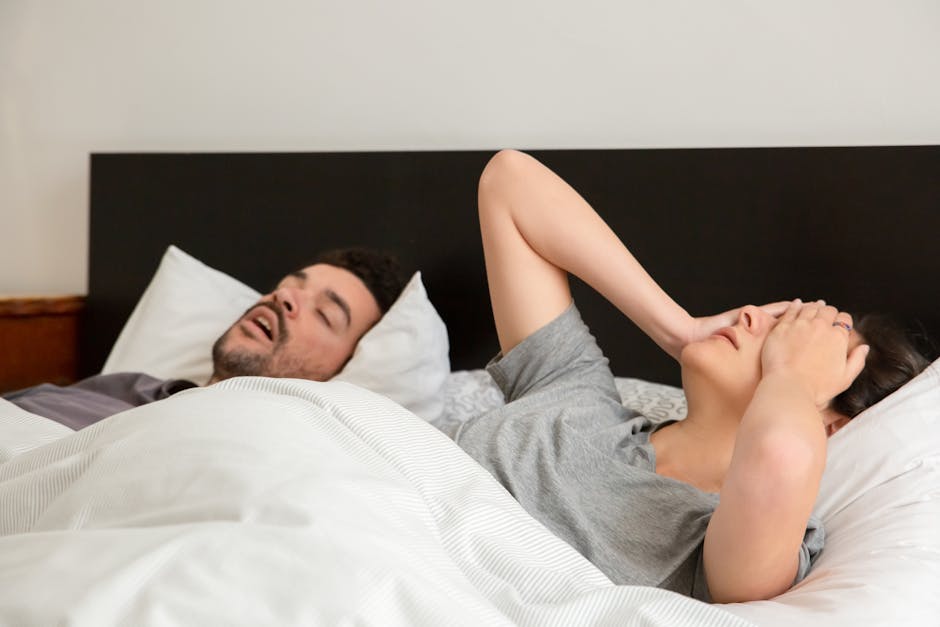
Snoring. It's the unwelcome guest at slumber parties, the bane of light sleepers, and the source of countless elbow jabs in the dark. Whether you're the snorer or the snoree, this nocturnal noise pollution can wreak havoc on a good night's rest. But fear not, weary sleepers, for there are remedies to quiet the nightly rumble.
One of the most common culprits behind snoring is nasal congestion. When your airways are blocked, air is forced through a smaller space, creating those tell-tale vibrations. A simple saline nasal spray or rinse can help clear those passages, allowing for smoother breathing. Similarly, nasal strips can gently open the nostrils, providing more space for airflow.
If allergies are contributing to your congestion, consider taking an antihistamine before bed. Just be sure to choose a non-drowsy formula, unless you're aiming for a double dose of sleep aids. Keeping your bedroom dust-free can also make a difference. Regularly washing bedding and vacuuming can minimize allergens and help you breathe easier.
Another factor contributing to snoring is sleep position. Sleeping on your back often allows the tongue and soft tissues in the throat to relax and obstruct the airway. Try sleeping on your side. A body pillow can help maintain this position throughout the night. Elevating your head with an extra pillow can also help keep those airways open.
Lifestyle changes can also play a significant role in reducing snoring. Losing weight, if you're carrying extra pounds, can make a noticeable difference. Excess weight around the neck can put pressure on the airway, contributing to snoring. Regular exercise can also improve muscle tone in the throat and promote better sleep overall.
Alcohol and sedatives can relax the throat muscles excessively, increasing the likelihood of snoring. Limiting your intake of these substances, especially close to bedtime, can help quiet the night. Smoking also irritates the airways, leading to inflammation and increased snoring. Quitting smoking is beneficial for your overall health, including a quieter night's sleep.
If you've tried these remedies and the snoring persists, it might be time to consult a doctor. There could be underlying medical conditions contributing to the problem, such as sleep apnea. A doctor can assess your situation and recommend further treatment options, such as a continuous positive airway pressure (CPAP) machine.
So, whether you're battling a gentle purr or a full-blown foghorn, there are steps you can take to reclaim the peaceful slumber you deserve. Start with these simple remedies and see if you can silence the symphony of snorts. Sweet dreams!
Leave a Reply