
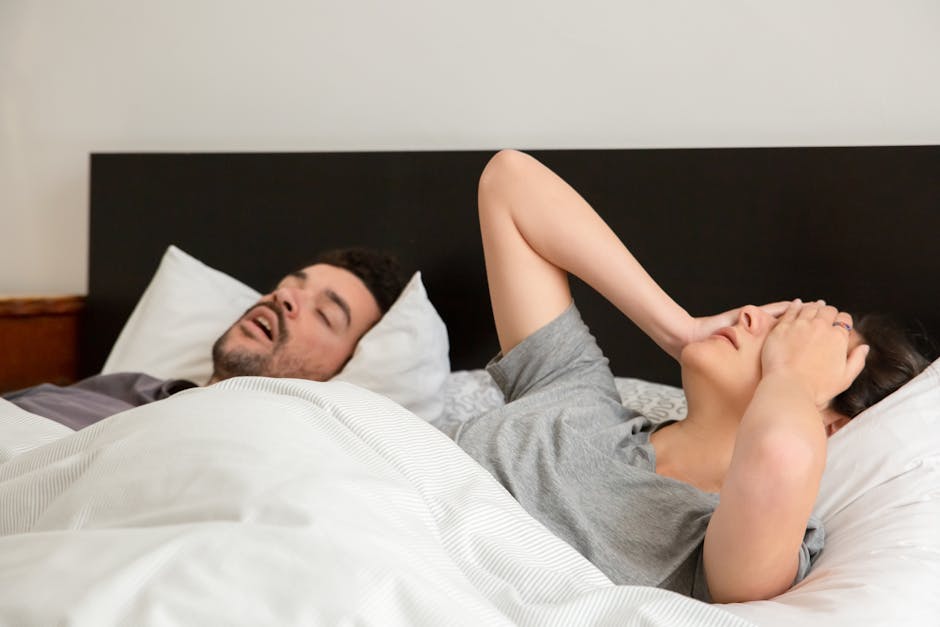
Snoring, that rumbling, sometimes rattling sound that disrupts the tranquility of the night, affects millions of people and their partners. It can range from a mild purr to a loud, vibrating roar, impacting sleep quality and potentially signaling underlying health concerns. Fortunately, there are numerous remedies available to help silence the snore and reclaim a peaceful night's rest.
One of the most common causes of snoring is nasal congestion. When the nasal passages are blocked, airflow is restricted, leading to vibrations in the soft tissues of the throat. Simple solutions like nasal strips or saline nasal sprays can help open up the airways and reduce snoring. For allergies, identifying and avoiding triggers or using antihistamines can be beneficial.
Lifestyle changes can also play a significant role in reducing snoring. Maintaining a healthy weight is crucial, as excess weight can put pressure on the throat, narrowing the airways. Regular exercise and a balanced diet can contribute to weight management and improve overall health, indirectly impacting snoring.
Sleeping position can also influence snoring. Sleeping on your back often exacerbates the problem, as gravity pulls the tongue and soft palate backward, obstructing airflow. Try sleeping on your side, using pillows to prop yourself up, or even sewing a tennis ball into the back of your pajamas to discourage back sleeping.
Alcohol and sedatives relax the throat muscles, increasing the likelihood of snoring. Avoiding these substances, especially close to bedtime, can significantly reduce snoring frequency and intensity. Smoking also irritates the throat and nasal passages, contributing to inflammation and congestion, which can worsen snoring. Quitting smoking is beneficial for overall health and can positively impact snoring.
For persistent snoring, oral appliances can be an effective solution. These devices, custom-fitted by a dentist, help reposition the jaw and tongue, keeping the airways open. While they may take some getting used to, many people find significant relief from snoring with these appliances.
In some cases, snoring may be a symptom of a more serious condition called sleep apnea. Sleep apnea is characterized by pauses in breathing during sleep, which can lead to daytime fatigue, high blood pressure, and other health problems. If you suspect you may have sleep apnea, it's essential to consult a doctor for diagnosis and treatment.
Ultimately, finding the right snoring remedy often requires a combination of approaches. Experimenting with different strategies and consulting with a healthcare professional can help you identify the most effective solutions for your specific situation and achieve a quieter, more restful night's sleep for both you and your partner.
Leave a Reply