
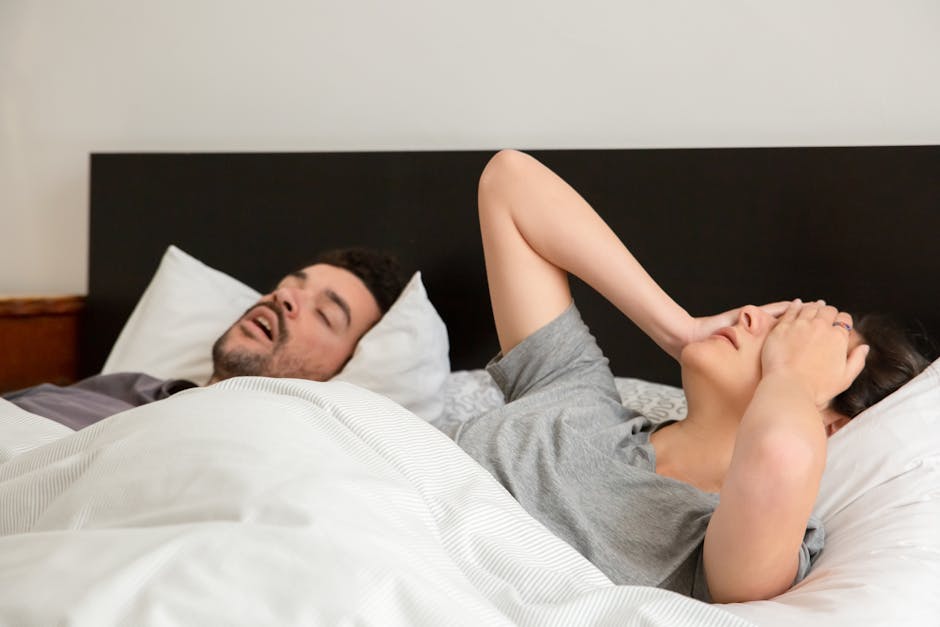
Snoring. That rumbling, sometimes whistling, often chainsaw-like sound that can disrupt sleep and test the strongest relationships. If you’re a snorer, you likely aren’t aware of the nightly symphony you’re conducting. But if you share a bed with a snorer, you know the struggle is real. Luckily, there are a variety of remedies that can help silence the nightly noise and bring peace back to the bedroom.
One of the most common causes of snoring is nasal congestion. When the nasal passages are blocked, air is forced through a smaller opening, creating the vibrations that lead to snoring. Simple solutions like nasal strips or a saline nasal spray can help open up the airways and reduce snoring. For those with allergies, identifying and addressing the allergens can also make a significant difference.
Another culprit behind snoring can be sleeping position. Sleeping on your back often causes the tongue and soft tissues in the throat to relax and fall back, obstructing the airway. Try sleeping on your side. A body pillow can help maintain this position throughout the night. Elevating the head of the bed can also help keep the airways open.
Lifestyle changes can also play a significant role in reducing snoring. Excess weight can contribute to snoring by putting pressure on the neck and throat. Losing even a small amount of weight can sometimes make a noticeable difference. Alcohol and sedatives relax the throat muscles, making snoring more likely. Avoiding these substances, especially close to bedtime, can help.
Smoking irritates the nasal passages and throat, leading to inflammation and swelling, which can exacerbate snoring. Quitting smoking is beneficial for overall health and can also contribute to quieter nights. Staying hydrated is important for overall health and can also help reduce snoring. Dry nasal passages can contribute to snoring, so drinking plenty of water throughout the day can keep things lubricated.
For more persistent snoring, there are several over-the-counter devices available. Anti-snoring mouthpieces, also known as mandibular advancement devices, help keep the airway open by bringing the lower jaw forward. Chin straps help keep the mouth closed, encouraging nasal breathing. Throat sprays can lubricate and tighten the tissues in the throat, reducing vibrations.
If lifestyle changes and over-the-counter remedies aren't providing relief, it's important to consult a doctor. Snoring can sometimes be a symptom of a more serious underlying condition like sleep apnea. A doctor can evaluate your snoring and recommend appropriate treatment options. These might include continuous positive airway pressure (CPAP) therapy or other medical interventions.
Finding the right solution for snoring can take some experimentation. What works for one person might not work for another. Be patient and persistent in your efforts, and don’t hesitate to seek professional help if needed. A good night’s sleep, free from the disruptive sounds of snoring, is within reach.
Leave a Reply