
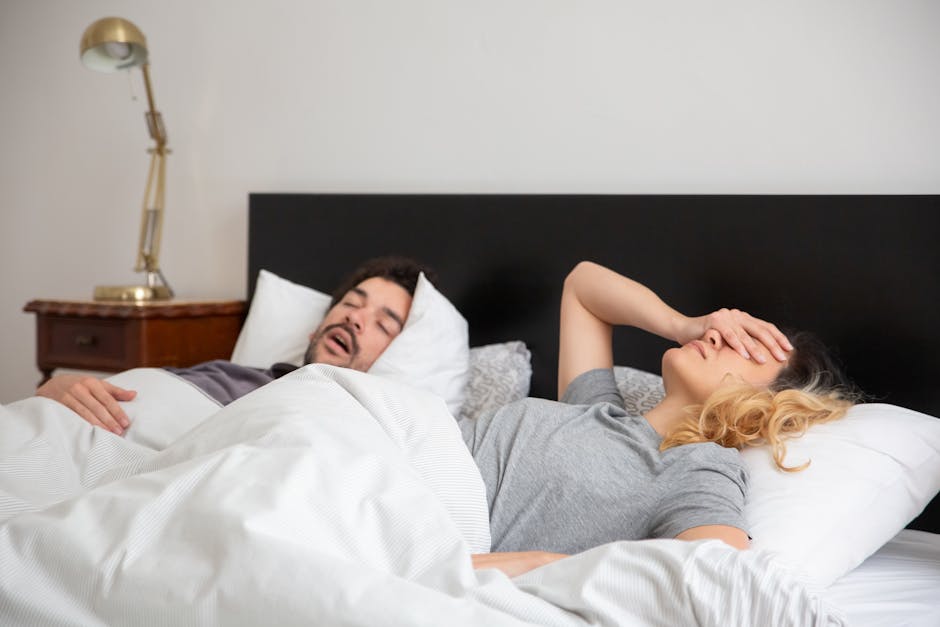
Snoring. That rumbling, rattling sound that can disrupt a peaceful night's sleep, both for the snorer and anyone within earshot. It's a common problem, affecting millions of people worldwide. While occasional snoring might be harmless, chronic snoring can be a sign of underlying health issues and can significantly impact the quality of life for both the snorer and their partner. Luckily, there are a variety of remedies that can help alleviate snoring and promote a more restful night's sleep.
One of the most effective ways to reduce snoring is to address lifestyle factors. Maintaining a healthy weight is crucial, as excess weight can contribute to snoring by putting pressure on the airways. Regular exercise can help with weight management and also improve overall muscle tone, including the muscles in the throat, which can help keep the airways open. Avoiding alcohol and sedatives before bed is also important, as these substances can relax the throat muscles, making snoring more likely.
Another common culprit of snoring is nasal congestion. When the nasal passages are blocked, it forces you to breathe through your mouth, which can lead to snoring. Using a saline nasal spray or rinse can help clear out nasal passages and improve airflow. Nasal strips, which adhere to the bridge of the nose, can also help widen the nasal passages and make breathing easier.
Sleeping position plays a significant role in snoring. Sleeping on your back often exacerbates snoring because gravity pulls the tongue and soft tissues in the throat backward, obstructing the airway. Try sleeping on your side to help keep the airway open. A body pillow can help maintain this position throughout the night.
For some individuals, allergies can contribute to snoring. Dust mites, pet dander, and pollen can irritate the nasal passages and cause congestion, leading to snoring. Regularly washing bedding in hot water and using hypoallergenic pillowcases can help reduce exposure to allergens. Over-the-counter or prescription allergy medications may also provide relief.
If lifestyle changes and over-the-counter remedies aren't providing sufficient relief, it might be time to consider other options. Oral appliances, which are custom-fitted by a dentist, can help reposition the jaw and tongue to keep the airway open. Continuous positive airway pressure (CPAP) therapy is another option for more severe cases of snoring, particularly those associated with sleep apnea. A CPAP machine delivers a constant stream of air through a mask, keeping the airway open and preventing snoring.
In some cases, snoring can be caused by anatomical issues such as a deviated septum or enlarged tonsils. If you suspect this might be the case, it's important to consult with an ear, nose, and throat specialist. They can evaluate your specific situation and recommend appropriate treatment options, which may include surgery.
Snoring can be a frustrating problem, but it doesn't have to be a permanent one. By exploring these various remedies and working with a healthcare professional if necessary, you can find solutions to silence the night and enjoy a more peaceful and restful sleep.
Leave a Reply