
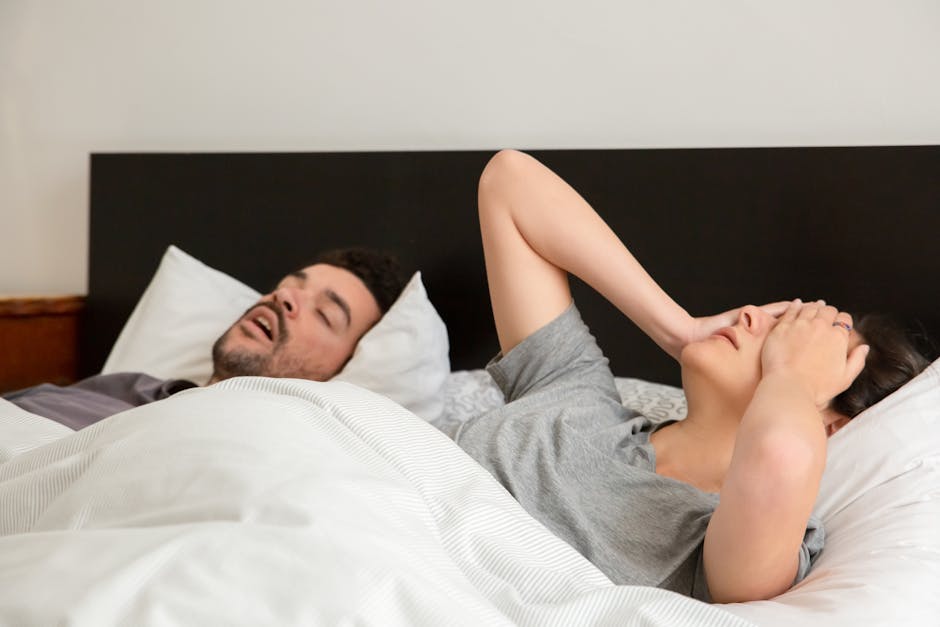
Snoring. That rumbling, rattling, sometimes even snorting sound that can disrupt a peaceful night's sleep. Whether it’s your own snoring or your partner's, it can be a frustrating issue. Millions of people struggle with snoring, and it can range from a minor annoyance to a sign of a more serious underlying health condition. Fortunately, there are numerous remedies available that can help alleviate this nighttime nuisance.
One of the simplest and most effective remedies for snoring is changing your sleep position. Sleeping on your back often exacerbates snoring as gravity pulls the tissues in the back of your throat down, constricting the airway. Try sleeping on your side, which can help keep the airway open and reduce snoring. You can use a body pillow or even sew a tennis ball into the back of your pajamas to discourage rolling onto your back.
Maintaining a healthy weight can also significantly impact snoring. Excess weight, especially around the neck, can put pressure on the airway, leading to snoring. Even a modest weight loss can make a noticeable difference. Focus on a balanced diet and regular exercise to achieve and maintain a healthy weight.
Staying hydrated is another important factor in reducing snoring. Dehydration can thicken nasal secretions, making it harder to breathe and increasing the likelihood of snoring. Make sure to drink plenty of water throughout the day, especially before bed.
Nasal congestion is a common culprit behind snoring. If allergies or a cold are causing congestion, try using a saline nasal spray or nasal strips to open up the nasal passages. These can help improve airflow and reduce snoring.
Certain lifestyle changes can also contribute to reducing snoring. Avoiding alcohol and smoking before bed can make a big difference. Alcohol relaxes the throat muscles, which can lead to snoring, and smoking irritates the nasal passages and airways, making it harder to breathe.
If you've tried these remedies and are still struggling with snoring, it might be time to consider specialized devices. Mandibular advancement devices (MADs) are custom-fit mouthpieces that reposition the lower jaw and tongue, keeping the airway open. Continuous positive airway pressure (CPAP) machines deliver a constant stream of air through a mask, preventing the airway from collapsing.
Ultimately, if snoring persists or is accompanied by other symptoms like excessive daytime sleepiness, it's essential to consult a doctor. Snoring can sometimes be a symptom of sleep apnea, a serious sleep disorder that requires medical attention. A doctor can properly diagnose the cause of your snoring and recommend the most appropriate treatment plan.
Leave a Reply