
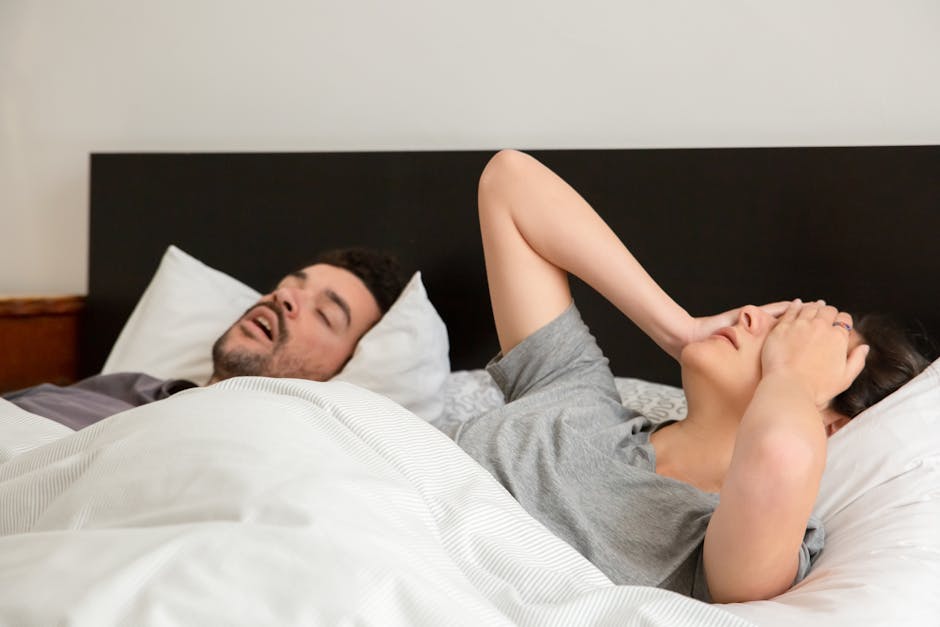
Snoring, that rumbling, sometimes rattling sound that disrupts the peace of the night, affects millions of people and their partners. While occasional snoring might be harmless, chronic snoring can be a sign of underlying health issues and significantly impact sleep quality. Fortunately, there are numerous remedies available to help alleviate snoring and restore tranquility to the bedroom.
Lifestyle changes often play a crucial role in reducing snoring. Maintaining a healthy weight can significantly impact snoring frequency and intensity. Excess weight, particularly around the neck, can put pressure on the airways, restricting airflow and contributing to snoring. Regular exercise and a balanced diet are key to achieving and maintaining a healthy weight.
Avoiding alcohol and sedatives before bed is another important step. These substances relax the throat muscles, increasing the likelihood of snoring. Nicotine also irritates the nasal passages and throat, contributing to congestion and snoring. Quitting smoking and limiting alcohol consumption can significantly improve snoring symptoms.
Sleeping on your side can also make a difference. When you sleep on your back, the base of your tongue and soft palate collapse to the back wall of your throat, narrowing your airway and causing you to snore. Sleeping on your side helps keep your airway open and reduces the likelihood of snoring. Try using a body pillow or placing a tennis ball in a sock sewn to the back of your pajamas to help maintain a side sleeping position.
Nasal congestion is a common culprit behind snoring. Keeping your nasal passages clear can improve airflow and reduce snoring. Using a saline nasal spray or rinse before bed can help clear out mucus and allergens. Nasal strips, which adhere to the bridge of the nose, can also help widen the nasal passages and improve breathing.
For those with allergies, managing allergens in the bedroom can be beneficial. Dust mites, pet dander, and pollen can irritate the nasal passages and contribute to snoring. Regularly washing bedding in hot water, using hypoallergenic pillowcases and mattress covers, and keeping pets out of the bedroom can help minimize allergen exposure.
Oral appliances, available over-the-counter or through a dentist, can help reposition the jaw and tongue, keeping the airway open. These devices are custom-fitted for optimal comfort and effectiveness. While they can be initially uncomfortable, many people find significant relief from snoring with consistent use.
In more severe cases, medical intervention may be necessary. Continuous positive airway pressure (CPAP) therapy is a common treatment for obstructive sleep apnea, a condition characterized by pauses in breathing during sleep. A CPAP machine delivers a constant stream of air through a mask, keeping the airway open and preventing snoring and apnea episodes. Surgery is another option, although it is typically reserved for cases where other treatments have been unsuccessful. Several surgical procedures can address anatomical issues that contribute to snoring, such as enlarged tonsils or a deviated septum.
Leave a Reply