
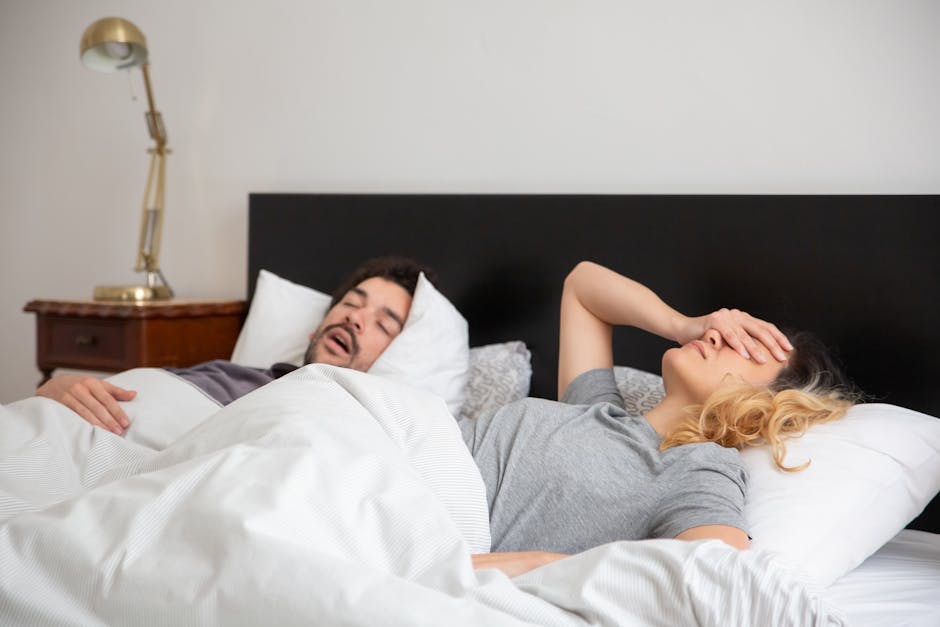
Snoring. That rumbling, sometimes whistling, often disruptive sound that can plague your sleep or the sleep of your loved one. It's a common problem, affecting millions of people, and it can range from a minor annoyance to a sign of a more serious underlying health issue. But the good news is there are a variety of remedies that can help quiet those nighttime noises and lead to more restful nights.
One of the most effective lifestyle changes you can make to combat snoring is to lose weight if you're overweight or obese. Excess weight around the neck can put pressure on the airways, contributing to snoring. Even a modest weight loss can make a significant difference. Regular exercise, along with a healthy diet, can help you achieve and maintain a healthy weight.
Another culprit behind snoring can be alcohol consumption, particularly close to bedtime. Alcohol relaxes the throat muscles, making them more likely to vibrate and cause snoring. Limiting alcohol intake, especially in the hours leading up to sleep, can help reduce snoring.
Smoking is also a major contributor to snoring. It irritates the nasal passages and throat, causing inflammation and swelling, which can obstruct airflow and lead to snoring. Quitting smoking is not only beneficial for your overall health but can also significantly reduce snoring.
Sleeping on your back can exacerbate snoring. Gravity pulls the tongue and soft tissues in the throat backward, narrowing the airway. Try sleeping on your side. A body pillow can help maintain this position throughout the night. If you find it difficult to stay on your side, try sewing a tennis ball into the back of your pajamas to discourage back sleeping.
Nasal congestion can also contribute to snoring. If allergies or a cold are causing your nose to be stuffy, using a saline nasal spray or nasal strips can help open up the nasal passages and improve airflow, reducing snoring.
For some people, over-the-counter oral appliances can be helpful. These devices, often referred to as mandibular advancement devices, work by repositioning the jaw and tongue to keep the airway open. They can take some getting used to, but many people find them effective.
If you've tried lifestyle changes and over-the-counter remedies without success, it's important to consult a doctor. Snoring can sometimes be a symptom of a more serious condition, such as sleep apnea. A doctor can evaluate your snoring and determine if further evaluation or treatment is necessary. They can also discuss other options, such as continuous positive airway pressure (CPAP) therapy, which is often prescribed for sleep apnea.
Leave a Reply