
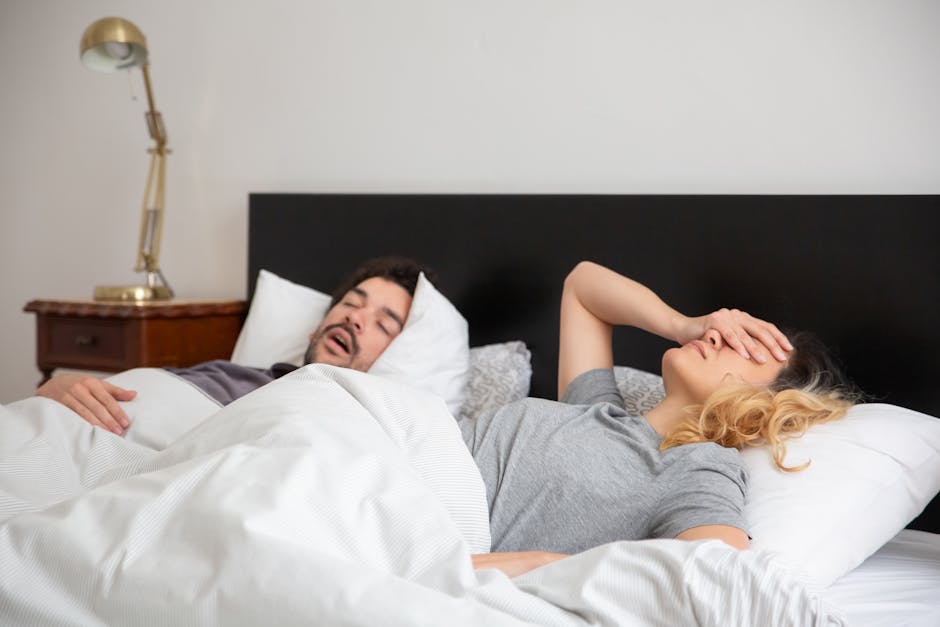
Snoring. That rumbling, sometimes rattling sound that can disrupt sleep for both the snorer and anyone within earshot. It's a common problem, affecting millions worldwide, and can range from a mild annoyance to a sign of a more serious underlying health condition. Thankfully, there are a variety of remedies available that can help alleviate snoring and improve sleep quality.
One of the most effective remedies for snoring is weight loss. Excess weight, particularly around the neck, can put pressure on the airway, leading to vibrations that cause snoring. Even a modest amount of weight loss can make a significant difference in reducing snoring frequency and intensity.
Another proven remedy is changing your sleep position. Sleeping on your back often exacerbates snoring as gravity pulls the tongue and soft tissues in the throat backward, obstructing the airway. Sleeping on your side can help keep the airway open and reduce snoring. Try using a body pillow or placing a tennis ball in a sock sewn to the back of your pajamas to discourage back sleeping.
Staying hydrated is also crucial for minimizing snoring. Dehydration thickens nasal secretions, making it harder for air to flow smoothly through the nasal passages. This can lead to mouth breathing, which increases the likelihood of snoring. Drinking plenty of water throughout the day, particularly before bed, can help keep nasal passages clear.
Avoiding alcohol and sedatives before bed is another important step. These substances relax the muscles in the throat, making them more likely to collapse and obstruct the airway. Limiting alcohol consumption and avoiding sedatives close to bedtime can significantly reduce snoring.
Nasal strips and dilators can also be helpful for some snorers. These devices help to open the nasal passages, improving airflow and reducing the need to breathe through the mouth. They are readily available over-the-counter and can be a simple and effective solution for nasal congestion related snoring.
For more persistent snoring, oral appliances may be an option. These custom-fitted devices are worn during sleep and help to reposition the jaw and tongue, keeping the airway open. They are typically prescribed by a dentist or sleep specialist.
Finally, if snoring is severe and other remedies haven't provided relief, it's important to consult a doctor. Snoring can sometimes be a symptom of sleep apnea, a serious sleep disorder characterized by pauses in breathing during sleep. A doctor can diagnose sleep apnea and recommend appropriate treatment, such as continuous positive airway pressure (CPAP) therapy.
Leave a Reply