
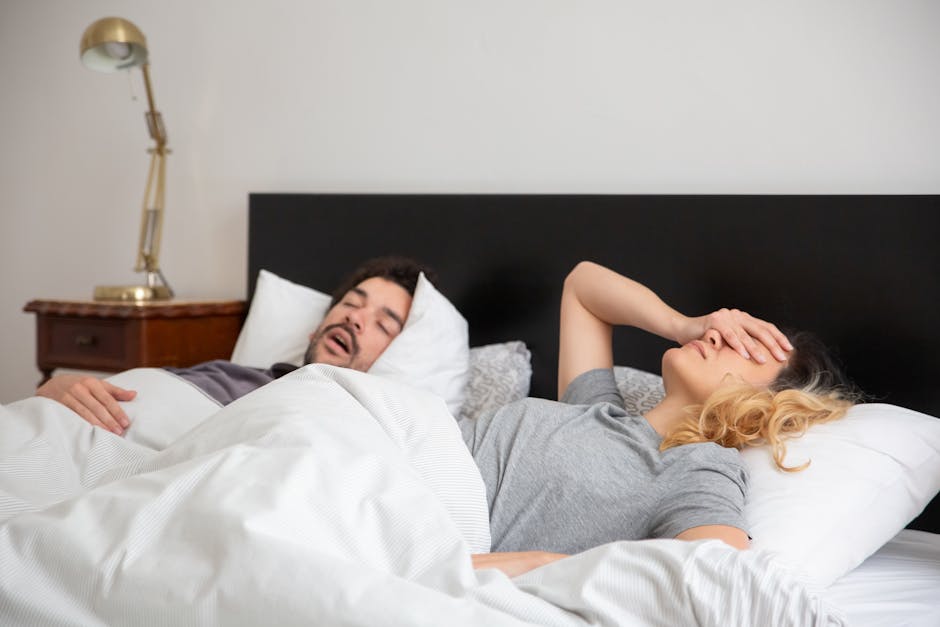
Snoring, that rumbling, sometimes rattling sound that disrupts the tranquility of sleep, affects millions worldwide. It can be a source of frustration for both the snorer and their bed partner, leading to sleep deprivation and relationship strain. While occasional snoring may be harmless, chronic snoring can be a sign of underlying health issues and warrants attention. Fortunately, there are numerous remedies available to help silence the night and restore peaceful slumber.
One of the most common causes of snoring is nasal congestion. When the airways are obstructed, airflow becomes turbulent, causing the tissues in the throat to vibrate and produce the characteristic snoring sound. Simple solutions like nasal strips or saline nasal sprays can help open up the nasal passages and improve airflow, reducing or eliminating snoring. For those with allergies, identifying and managing allergens can significantly improve snoring symptoms.
Lifestyle changes can also play a significant role in reducing snoring. Maintaining a healthy weight is crucial, as excess weight can put pressure on the throat, constricting the airways. Regular exercise and a balanced diet can contribute to weight management and improve overall health, indirectly addressing snoring issues. Avoiding alcohol and sedatives before bedtime is also important, as these substances relax the throat muscles, increasing the likelihood of snoring.
Sleeping position can also influence snoring. Sleeping on your back often exacerbates snoring, as gravity pulls the tongue and soft tissues backward, obstructing the airway. Sleeping on your side can help keep the airway open and reduce snoring. Specialized pillows designed to promote side sleeping can be helpful in maintaining this position throughout the night.
For more persistent snoring, oral appliances can be an effective solution. These devices, custom-fitted by a dentist, help reposition the jaw and tongue, keeping the airway open and reducing airflow turbulence. While they may require an adjustment period, oral appliances have proven successful for many snorers.
Continuous Positive Airway Pressure (CPAP) therapy is considered the gold standard for treating obstructive sleep apnea, a serious condition characterized by pauses in breathing during sleep. CPAP involves wearing a mask that delivers a constant stream of air, keeping the airway open and preventing snoring and apnea episodes. While highly effective, CPAP requires a prescription and may take some getting used to.
Surgical interventions are also available for addressing specific anatomical issues that contribute to snoring. Procedures such as uvulopalatopharyngoplasty (UPPP) or laser-assisted uvuloplasty aim to remove or reshape excess tissue in the throat, widening the airway and reducing snoring. These procedures are typically considered when other remedies have been unsuccessful.
Finding the right snoring remedy often involves a process of trial and error. Consulting with a healthcare professional is essential to determine the underlying cause of snoring and identify the most appropriate treatment strategy. With the right approach, restful nights and peaceful mornings are within reach for both snorers and their partners.
Leave a Reply