
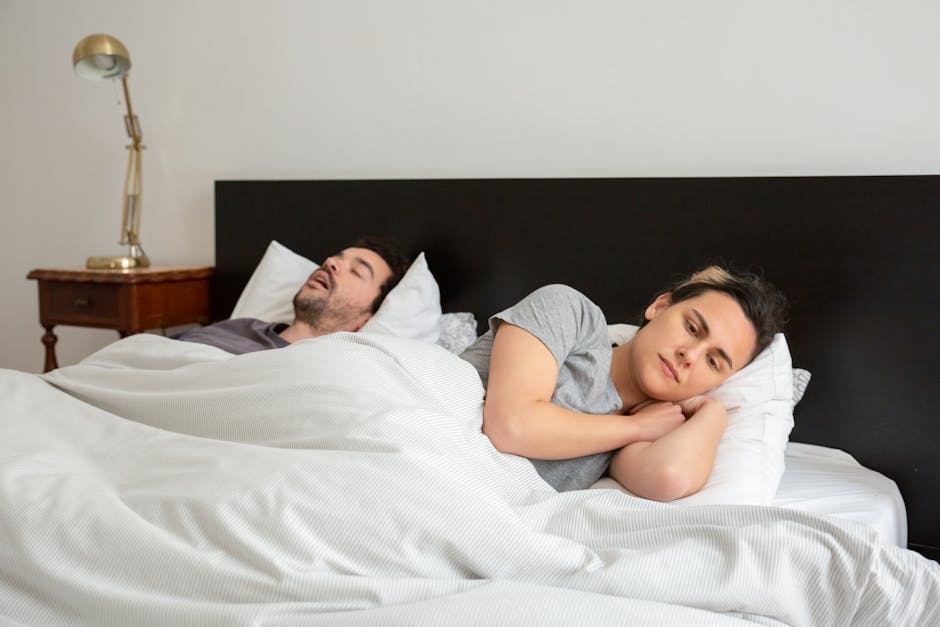
Snoring. That rumbling, sometimes whistling, often disruptive sound that can keep you and your partner up at night. It's a common problem, affecting millions of people, and while it might seem like a minor annoyance, it can actually be a sign of underlying health issues and significantly impact sleep quality. Luckily, there are a variety of remedies that can help quiet the night and bring peace back to the bedroom.
One of the most effective ways to address snoring is to identify and address any underlying medical conditions. Allergies, nasal congestion, and sinus infections can all contribute to snoring by obstructing the airways. Treating these issues with antihistamines, decongestants, or nasal sprays can often significantly reduce or even eliminate snoring.
Lifestyle changes can also play a crucial role in managing snoring. Losing weight, even a small amount, can make a noticeable difference. Excess weight around the neck and throat can put pressure on the airways, making it more difficult to breathe freely during sleep. Regular exercise and a healthy diet can help achieve and maintain a healthy weight.
Avoiding alcohol and sedatives before bed is another important step. These substances relax the throat muscles, making them more likely to collapse and vibrate, leading to snoring. Smoking also irritates the airways and contributes to inflammation, which can worsen snoring. Quitting smoking is beneficial for overall health as well as snoring reduction.
Sleeping position can also influence snoring. Sleeping on your back often allows the tongue and soft tissues in the throat to fall back and obstruct the airway. Try sleeping on your side. A simple trick is to sew a tennis ball into the back of your pajamas to discourage rolling onto your back. Specialized pillows designed to promote side sleeping are also available.
Maintaining a regular sleep schedule is essential for good sleep hygiene and can indirectly help with snoring. When you're sleep-deprived, your throat muscles are more likely to relax excessively during sleep, increasing the likelihood of snoring. Aim for seven to eight hours of quality sleep each night.
For persistent snoring that doesn't respond to lifestyle changes or other remedies, there are medical devices that can help. Mandibular advancement devices (MADs) are custom-fitted oral appliances that reposition the lower jaw and tongue forward, opening up the airway. Continuous positive airway pressure (CPAP) machines deliver a constant stream of air through a mask, keeping the airways open.
If you've tried various remedies and are still struggling with snoring, it's important to consult with a doctor or sleep specialist. They can evaluate your specific situation, rule out any underlying medical conditions, and recommend the most appropriate treatment options. Don't let snoring disrupt your sleep and affect your quality of life. There are solutions available to help you breathe easier and sleep soundly.
Leave a Reply