
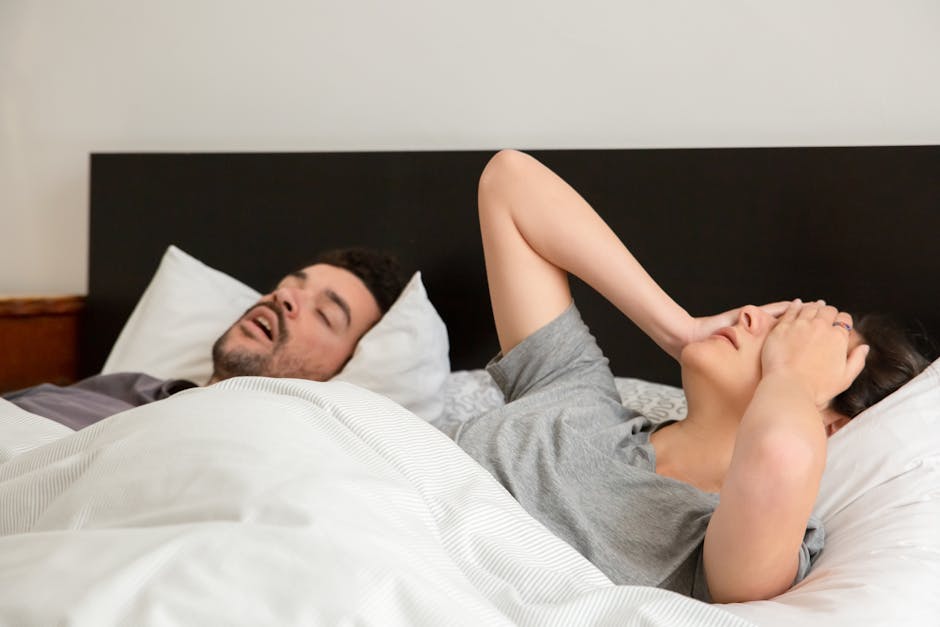
Snoring. That rumbling, rattling sound that can disrupt your sleep and your partner's. It's a common problem, affecting millions worldwide, and can range from a mild annoyance to a sign of a more serious underlying health issue. Fortunately, there are a variety of remedies available that can help silence the night and restore peaceful slumber.
One of the most effective ways to address snoring is to identify and address any underlying lifestyle factors that may be contributing to the problem. Excess weight, alcohol consumption, and smoking can all exacerbate snoring. Losing weight, even a small amount, can significantly reduce the pressure on your airways. Avoiding alcohol and cigarettes, especially before bed, can also make a noticeable difference.
Sleeping position plays a significant role in snoring. Sleeping on your back often allows the base of your tongue and soft palate to collapse to the back wall of your throat, thereby obstructing airflow and causing vibrations. Try sleeping on your side. A simple trick is to sew a tennis ball into the back of your pajamas to discourage back sleeping.
Maintaining good nasal hygiene can also help reduce snoring. A congested nose forces you to breathe through your mouth, increasing the likelihood of snoring. Using a saline nasal spray or rinse before bed can help clear nasal passages and improve airflow. Nasal strips, which gently widen the nostrils, can also be beneficial.
For some individuals, anti-snoring devices can be a helpful solution. These devices include mandibular advancement devices (MADs) which reposition the jaw to open up the airway, and tongue retaining devices (TRDs) which hold the tongue forward to prevent it from obstructing the throat. These devices are often custom-fitted by a dentist or sleep specialist.
If lifestyle changes and over-the-counter remedies aren't providing relief, it's essential to consult with a healthcare professional. Snoring can sometimes be a symptom of obstructive sleep apnea, a serious condition in which breathing repeatedly stops and starts during sleep. A doctor can perform a sleep study to diagnose sleep apnea and recommend appropriate treatment options, such as continuous positive airway pressure (CPAP) therapy.
While snoring can be a frustrating problem, there are many effective remedies available. By addressing lifestyle factors, exploring different sleeping positions, and considering anti-snoring devices, you can significantly reduce or eliminate snoring and enjoy a more restful night's sleep.
Remember, a peaceful night's sleep is crucial for overall health and well-being. Don't let snoring disrupt your sleep or your partner's. Take action today and find the solution that works best for you.
Leave a Reply