
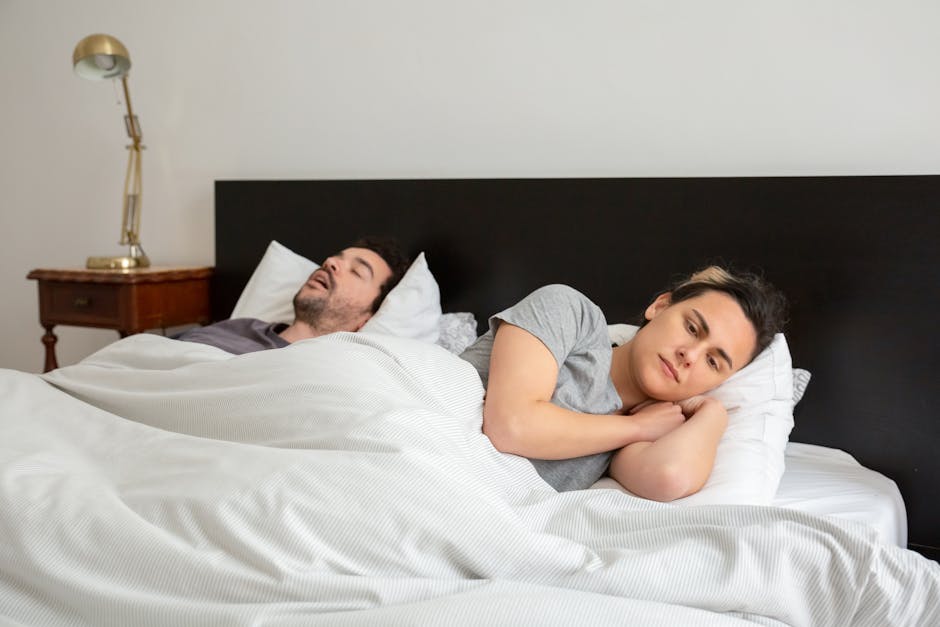
Snoring, that rumbling, sometimes rattling sound that disrupts sleep for both the snorer and their partner, is a common problem. It's estimated that nearly half of all adults snore occasionally, and a significant percentage snore regularly. While often viewed as merely a nuisance, snoring can sometimes be a symptom of a more serious underlying health condition, such as sleep apnea. Fortunately, many effective remedies can help reduce or eliminate snoring, promoting better sleep for everyone involved.
Snoring occurs when the airflow through your nose and throat is partially obstructed during sleep. This obstruction causes the surrounding tissues to vibrate, creating the characteristic snoring sound. Several factors can contribute to this obstruction, including the anatomy of your mouth and sinuses, alcohol consumption, allergies, colds, and being overweight. Identifying these contributing factors is the first step towards finding the right solution.
Lifestyle changes can often make a significant difference in reducing snoring. Losing weight, even a small amount, can help open up your airways. Regular exercise can also improve muscle tone and reduce fatty tissue in the throat, further alleviating snoring. Avoiding alcohol and sedatives before bed is also crucial, as these substances relax the throat muscles, increasing the likelihood of snoring. Establishing a regular sleep schedule can also improve sleep quality overall, which can indirectly reduce snoring.
Sleeping on your side is often recommended for snorers. This position helps keep the airways open and reduces the likelihood of the tongue falling back and obstructing breathing. Specialized pillows designed to encourage side sleeping can be helpful. Elevating the head of the bed by a few inches can also improve airflow and reduce snoring, even for those who sleep on their backs.
Over-the-counter nasal strips and dilators can help improve airflow through the nose, reducing the need to breathe through the mouth, which often contributes to snoring. These adhesive strips gently lift and open the nasal passages, making breathing easier. Similarly, internal nasal dilators can be inserted into the nostrils to widen the nasal passages. These options are particularly helpful for individuals whose snoring is worsened by nasal congestion.
Oral appliances, custom-fitted by a dentist, can help reposition the jaw and tongue, keeping the airways open during sleep. These appliances are often effective for individuals who snore due to jaw position or tongue relaxation. While more expensive than other options, they can provide significant relief for chronic snorers.
For more persistent or severe snoring, medical interventions might be necessary. Continuous positive airway pressure (CPAP) therapy is a common treatment for sleep apnea, but it can also be effective for heavy snorers. A CPAP machine delivers a constant stream of air through a mask, keeping the airways open throughout the night. Surgical procedures to correct structural issues in the nose or throat are also sometimes considered, although these are typically reserved for cases where other treatments have been unsuccessful.
By understanding the causes of snoring and exploring the various remedies available, you can take steps towards quieter, more restful nights for both yourself and your partner. If snoring persists despite trying these remedies, it's important to consult a doctor to rule out any underlying medical conditions and discuss further treatment options.
Leave a Reply