
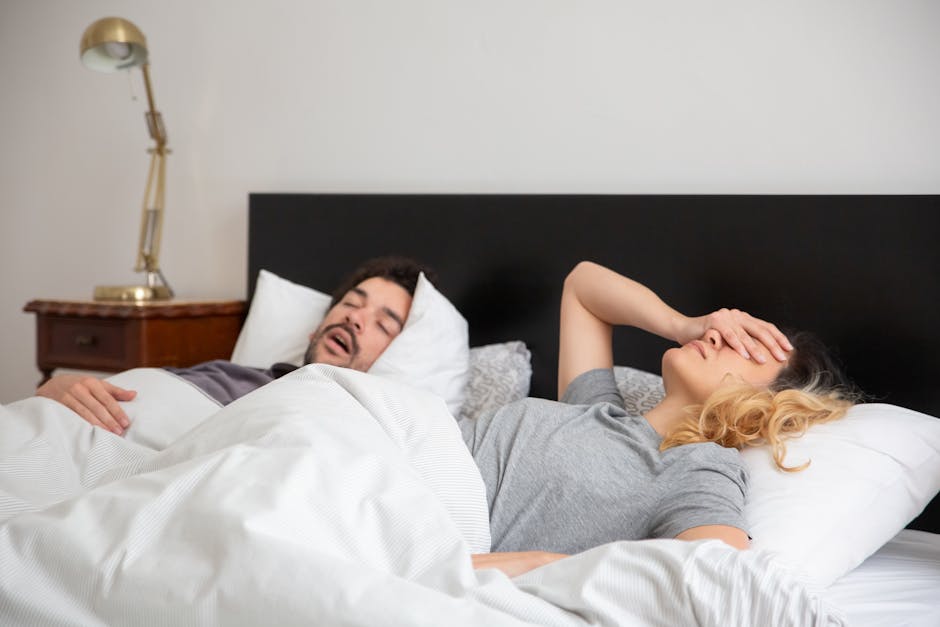
Snoring. That rumbling, sometimes whistling, often disruptive sound that can plague your sleep and the sleep of anyone within earshot. It's a common problem, affecting millions, and while it can be humorous at times, it can also be a sign of a more serious underlying health issue and a significant detriment to quality sleep. Fortunately, there are a number of remedies that can help alleviate snoring and restore peaceful nights.
One of the most common causes of snoring is nasal congestion. When your nasal passages are blocked, air is forced through a smaller opening, causing the surrounding tissues to vibrate and create that familiar snoring sound. Simple solutions like nasal strips or a saline nasal spray can help open up your airways and reduce snoring. For those with allergies, identifying and addressing the allergens can also make a significant difference.
Another culprit behind snoring can be your sleep position. Sleeping on your back often allows the tongue and soft tissues in the throat to relax and fall back, obstructing the airway. Try sleeping on your side. A body pillow can help maintain this position throughout the night. Elevating your head with an extra pillow can also help keep your airways open.
Lifestyle changes can also play a vital role in reducing snoring. Losing weight, if you are overweight or obese, can significantly decrease the amount of tissue in the throat that contributes to snoring. Regular exercise can also improve muscle tone and overall health, which can positively impact sleep quality.
Avoiding alcohol and sedatives before bed is another important step. These substances relax the throat muscles, making snoring more likely. Similarly, smoking irritates the nasal passages and throat, leading to inflammation and increased snoring. Quitting smoking can significantly improve snoring and overall health.
Staying hydrated is often overlooked but can be surprisingly effective. Dehydration thickens nasal secretions, making it harder to breathe and increasing the likelihood of snoring. Drinking plenty of water throughout the day can help keep your airways clear.
If you’ve tried these remedies and are still struggling with snoring, it’s important to talk to your doctor. Snoring can sometimes be a symptom of a more serious condition like sleep apnea, a disorder characterized by pauses in breathing during sleep. Your doctor can evaluate your snoring and determine if further evaluation or treatment is necessary.
Getting a good night's sleep is crucial for overall health and well-being. Don't let snoring rob you of the restful sleep you deserve. By exploring these remedies and consulting with your doctor if necessary, you can take steps towards quieter nights and more refreshing mornings.
Leave a Reply