
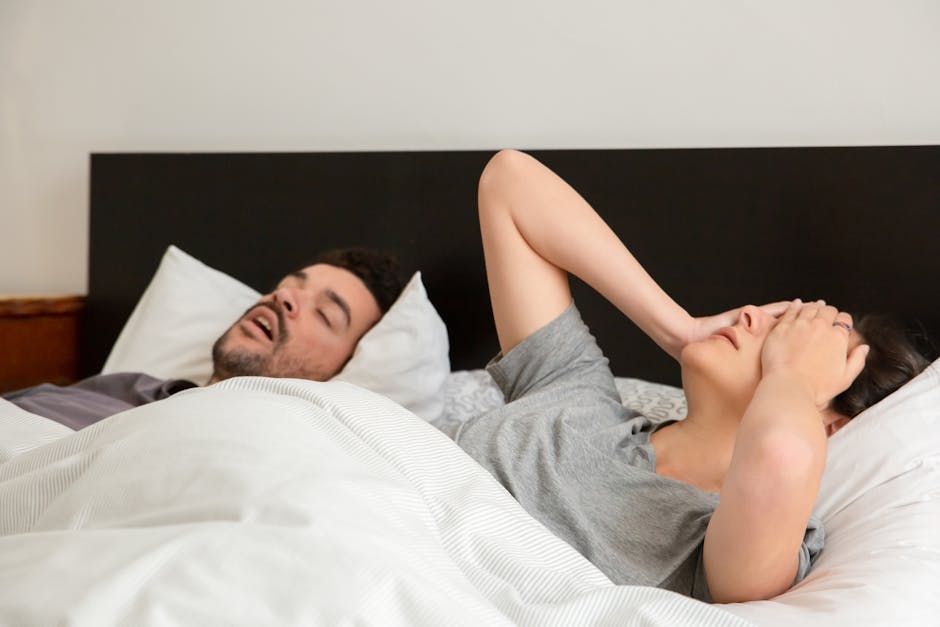
Snoring. That rumbling, grumbling, sometimes downright earth-shattering sound that can disrupt a peaceful night’s sleep – both for the snorer and anyone within earshot. While often treated as a lighthearted annoyance, snoring can be a sign of underlying health issues and, of course, a major relationship stressor. Luckily, there are a plethora of remedies available to help quiet the nocturnal symphony.
One of the most common culprits behind snoring is nasal congestion. When your nasal passages are blocked, air is forced through a smaller opening, creating the vibrations that result in snoring. Simple solutions like saline nasal sprays, nasal strips, or a neti pot can help clear the airways and reduce snoring. For those with allergies, identifying and avoiding triggers like dust mites or pet dander can also make a big difference.
Another factor contributing to snoring is your sleep position. Sleeping on your back often causes the tongue and soft tissues in the throat to relax and fall back, obstructing the airway. Try sleeping on your side. A simple trick is to sew a tennis ball into the back of your pajamas to discourage back sleeping. Specialized pillows designed to promote side sleeping are also available.
Excess weight can also contribute to snoring. Fatty tissue around the neck can put pressure on the airway, making it narrower. Even a modest weight loss can significantly improve snoring. Regular exercise and a healthy diet can contribute to overall health and better sleep quality.
Alcohol and sedatives relax the throat muscles, increasing the likelihood of snoring. Avoiding these substances, especially close to bedtime, can help minimize snoring. Smoking also irritates the airways and can worsen snoring. Quitting smoking is beneficial for overall health and can positively impact sleep quality.
For persistent snoring, there are several devices available that can help. Mandibular advancement devices (MADs) are custom-fit mouthpieces that reposition the jaw and tongue to keep the airway open. Continuous positive airway pressure (CPAP) machines deliver a constant stream of air through a mask, keeping the airway open and preventing snoring.
While these remedies can be effective for many people, it’s important to consult with a doctor if your snoring is severe, disruptive, or accompanied by other symptoms like excessive daytime sleepiness or gasping for air during sleep. These could be signs of a more serious condition like sleep apnea.
Snoring doesn’t have to be a permanent fixture in your life. With a little detective work and some lifestyle adjustments, you can reclaim a peaceful night’s sleep for yourself and anyone who shares your sleeping space. So, ditch the earplugs and embrace the quiet!
Leave a Reply