
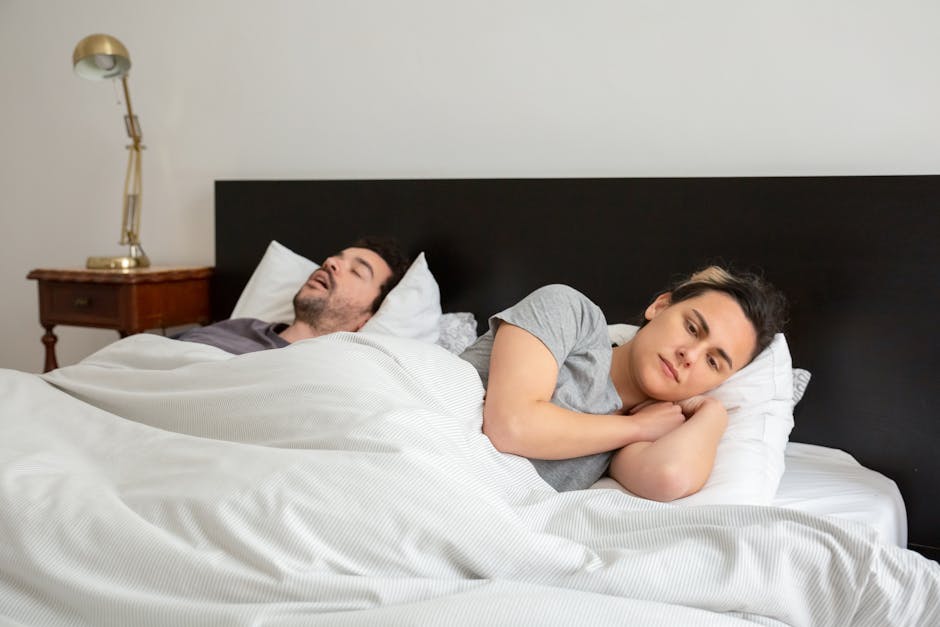
Snoring. That guttural, rumbling sound that can disrupt a peaceful night's sleep, not just for your partner, but potentially for you too. It's a common problem, affecting millions worldwide, and while often harmless, it can sometimes signal underlying health issues. Luckily, there's a range of remedies that can help quiet the nightly orchestra and restore tranquility to your bedroom.
One of the simplest and most effective solutions is changing your sleep position. Sleeping on your back often exacerbates snoring as gravity pulls the soft tissues in your throat backward, constricting the airway. Try sleeping on your side, which can help keep the airway open and reduce snoring. A full-body pillow or even just placing a tennis ball in the back of your pajamas can help train you to stay off your back.
Maintaining a healthy weight can also significantly impact snoring. Excess weight, particularly around the neck, can put pressure on the airway, leading to those tell-tale snores. Even a modest weight loss can make a noticeable difference. Combine a balanced diet with regular exercise for the best results, not just for your sleep, but for your overall health too.
Staying hydrated is another surprisingly effective remedy. Dehydration can thicken nasal secretions, making it harder to breathe and increasing the likelihood of snoring. Make sure to drink plenty of water throughout the day, especially in the hours leading up to bedtime.
If allergies are contributing to your snoring, addressing them can bring sweet relief. Allergens can inflame the nasal passages, restricting airflow and leading to snoring. Over-the-counter antihistamines or nasal sprays can help alleviate allergy symptoms, but consult with a doctor if you have persistent or severe allergies.
Consider using nasal strips or dilators. These adhesive strips gently open the nasal passages, improving airflow and reducing snoring. They're readily available at most pharmacies and can be a simple and effective solution for many snorers.
For more persistent snoring, a visit to a doctor or sleep specialist is recommended. They can evaluate your specific situation and determine if there are any underlying medical conditions contributing to your snoring, such as sleep apnea. They can also discuss more advanced treatment options, such as continuous positive airway pressure (CPAP) therapy or oral appliances.
Snoring doesn't have to be a nightly battle. By trying these remedies, you can significantly reduce or even eliminate snoring, improving your sleep quality and the sleep quality of those around you. A peaceful night's sleep is within reach, so say goodnight to snoring and hello to restful slumber.
Leave a Reply