
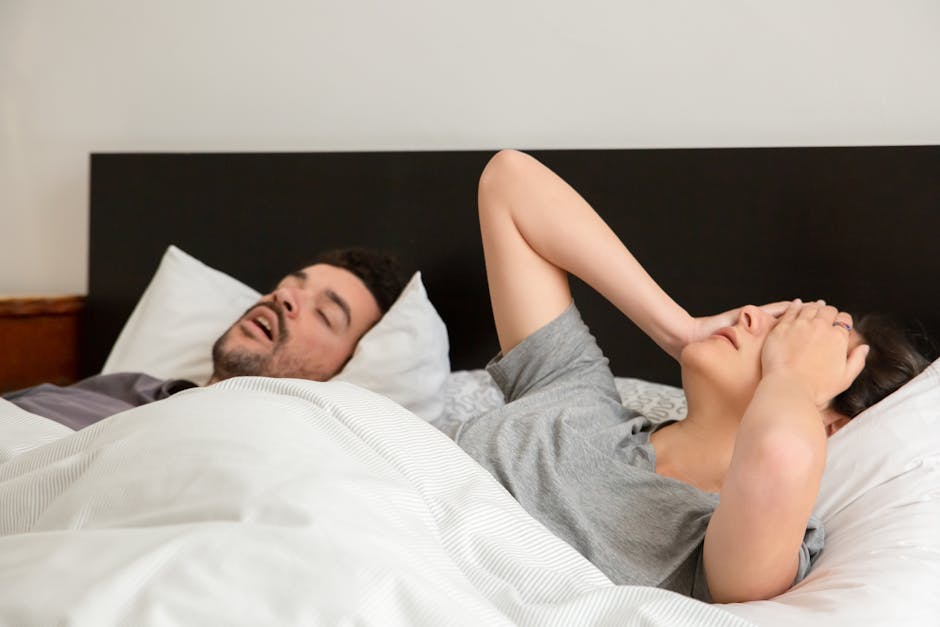
Snoring. That rumbling, sometimes whistling, often guttural sound that can disrupt a peaceful night's sleep – both for the snorer and anyone within earshot. It's a common problem, affecting millions, and ranges from a gentle purr to a freight train chugging through the bedroom. But thankfully, there are ways to quiet the nightly orchestra and reclaim the serenity of slumber.
Snoring occurs when the airflow through your nose and throat is partially obstructed during sleep. This obstruction causes the surrounding tissues to vibrate, producing the characteristic snoring sound. A number of factors can contribute to this obstruction, including nasal congestion, the anatomy of your mouth and throat, alcohol consumption, sleep deprivation, and sleeping position.
One of the simplest and most effective remedies for snoring is changing your sleep position. Sleeping on your back often exacerbates snoring, as gravity pulls the tongue and soft tissues back towards the throat, narrowing the airway. Try sleeping on your side, which can help keep the airway open and reduce snoring. A body pillow can be helpful in maintaining this position throughout the night.
Maintaining a healthy weight can also significantly impact snoring. Excess weight, especially around the neck, can put pressure on the airway, contributing to snoring. Even a modest weight loss can make a noticeable difference in reducing snoring frequency and intensity.
Keeping nasal passages clear is crucial for unobstructed breathing during sleep. If allergies or congestion are contributing to your snoring, consider using nasal saline sprays or strips to open up the airways. A humidifier can also help moisten the air and reduce nasal dryness, further improving airflow.
For some individuals, lifestyle changes may not be enough to alleviate snoring. In these cases, various over-the-counter aids and devices can be helpful. Anti-snoring mouthpieces, also known as mandibular advancement devices, help keep the airway open by repositioning the jaw. Chin straps can also help keep the mouth closed and promote nasal breathing, reducing snoring.
In more severe cases of snoring, particularly those associated with sleep apnea (a condition characterized by pauses in breathing during sleep), a doctor may recommend a continuous positive airway pressure (CPAP) machine. This device delivers a constant stream of air through a mask, keeping the airway open and preventing snoring and apnea episodes.
If your snoring is persistent and disrupting your sleep or the sleep of your partner, it's important to consult with a healthcare professional. They can help determine the underlying cause of your snoring and recommend the most appropriate treatment options. Don't let snoring steal your sleep – take action and reclaim the peaceful nights you deserve.
Leave a Reply