
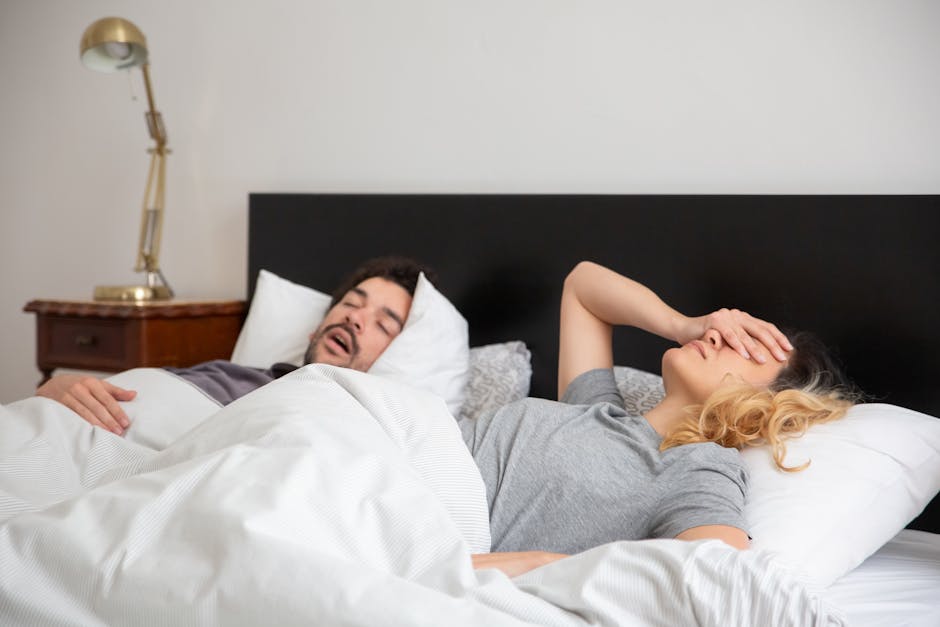
Snoring. That rumbling, rattling sound that can disrupt your sleep and your partner's. It's a common problem, affecting millions of people worldwide. While occasional snoring might be harmless, chronic snoring can be a sign of a more serious underlying health issue and can significantly impact the quality of your sleep. Fortunately, there are several remedies you can try to quiet the night and reclaim restful slumber.
One of the most effective ways to reduce snoring is to address lifestyle factors. Maintaining a healthy weight can make a significant difference, as excess weight can put pressure on the airways, contributing to snoring. Regular exercise can help with weight management and also improve overall muscle tone, including the muscles in your throat, which can help keep your airways open. Avoiding alcohol and sedatives before bed is also crucial, as these substances relax the throat muscles, making snoring more likely.
If lifestyle changes aren't enough, there are several other remedies you can explore. Nasal strips or dilators can help open up your nasal passages, improving airflow and reducing snoring. These are readily available over-the-counter at most pharmacies. Another option is an oral appliance, a custom-fit device that helps reposition your jaw and tongue to keep your airways open. These appliances require a visit to a dentist or sleep specialist.
For those with allergies or nasal congestion, addressing these issues can significantly reduce snoring. Over-the-counter decongestants or nasal sprays can provide temporary relief. If you suffer from chronic allergies, consider consulting an allergist to identify and manage your triggers. Using a humidifier in your bedroom can also help moisten the air and reduce nasal congestion.
Positional therapy is a simple yet effective technique for some snorers. Sleeping on your side, rather than your back, can help prevent your tongue from falling back into your throat and obstructing your airway. You can try using a body pillow or placing a tennis ball in a sock sewn to the back of your pajamas to discourage back sleeping.
For more persistent snoring, medical interventions might be necessary. Continuous positive airway pressure (CPAP) therapy is often prescribed for individuals with obstructive sleep apnea, a condition characterized by pauses in breathing during sleep. CPAP involves wearing a mask that delivers a constant stream of air to keep your airways open. Other medical procedures, such as surgery to remove excess tissue in the throat or nasal passages, might be considered in certain cases.
Remember, it's essential to consult a doctor or sleep specialist if your snoring is severe, disruptive, or accompanied by other symptoms such as excessive daytime sleepiness, morning headaches, or difficulty concentrating. They can help determine the underlying cause of your snoring and recommend the most appropriate treatment plan.
By exploring these various remedies and seeking professional guidance when needed, you can effectively address your snoring and enjoy the benefits of a peaceful night's sleep. A quieter night means better rest for you and your partner, leading to improved overall health and well-being.
Leave a Reply