
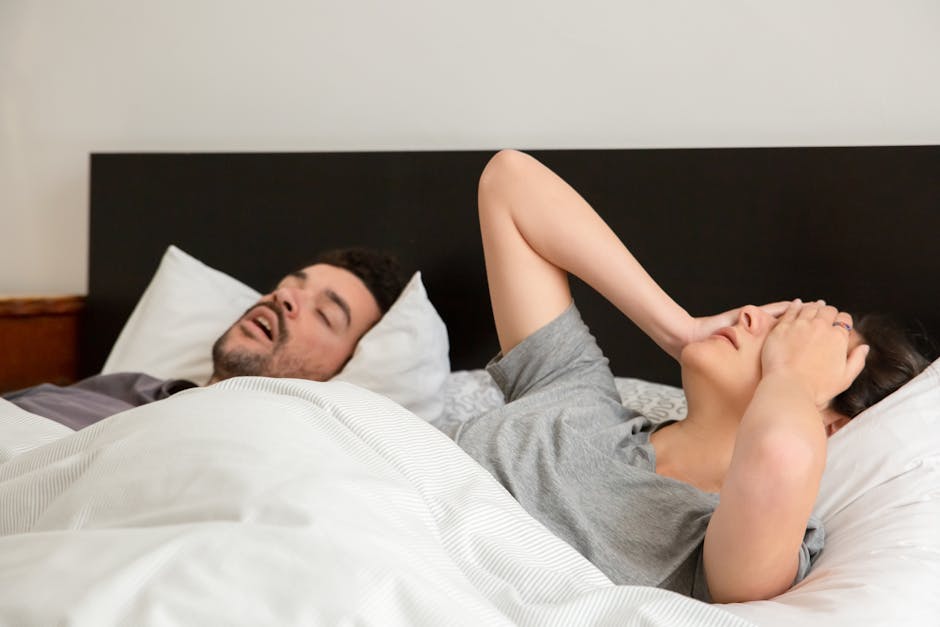
Snoring. That delightful nocturnal serenade that can test the patience of even the soundest sleeper. Whether it's your own personal symphony of snorts or the rumbling roar of your partner, snoring can disrupt sleep and lead to daytime fatigue and even relationship woes. Luckily, there are a plethora of remedies available, ranging from simple lifestyle changes to more advanced medical interventions.
One of the most common culprits of snoring is excess weight. Fatty tissues around the neck can constrict the airways, leading to vibrations that create the characteristic snoring sound. Losing even a small amount of weight can significantly reduce snoring for some individuals. Regular exercise and a healthy diet are key to achieving and maintaining a healthy weight.
Another lifestyle factor that contributes to snoring is alcohol consumption. Alcohol relaxes the throat muscles, making them more prone to collapse and vibrate. Avoiding alcohol, especially close to bedtime, can help minimize snoring. Similarly, smoking irritates the nasal passages and throat, leading to inflammation and increased snoring. Quitting smoking is beneficial for overall health, including quieter nights.
Sleeping position plays a significant role in snoring. Sleeping on your back often exacerbates snoring as gravity pulls the tongue and soft tissues back towards the throat, obstructing airflow. Try sleeping on your side to keep the airways open. Specialized pillows designed to encourage side sleeping can also be helpful.
For those with nasal congestion due to allergies or colds, keeping the nasal passages clear can improve airflow and reduce snoring. Nasal strips, saline rinses, and humidifiers can help alleviate congestion and promote easier breathing. If allergies are a persistent problem, consulting an allergist can provide long-term solutions.
Over-the-counter remedies such as nasal dilators and anti-snoring mouthpieces can also be effective for some individuals. Nasal dilators help open the nostrils, improving airflow. Anti-snoring mouthpieces, also known as mandibular advancement devices, reposition the jaw to keep the airways open. It's important to consult with a healthcare professional to determine the best option.
In more severe cases, medical intervention may be necessary. Continuous positive airway pressure (CPAP) therapy is a common treatment for obstructive sleep apnea, a condition characterized by pauses in breathing during sleep. A CPAP machine delivers a constant stream of air through a mask, keeping the airways open. Other surgical procedures, such as uvulopalatopharyngoplasty (UPPP) or radiofrequency ablation, can remove or shrink excess tissue in the throat, improving airflow.
Snoring can be a frustrating problem, but with the right approach, it can often be managed effectively. By addressing underlying causes and exploring available remedies, you can reclaim peaceful nights and wake up feeling refreshed and energized. Don't hesitate to consult with a healthcare professional to discuss your specific situation and determine the best course of action.
Leave a Reply