
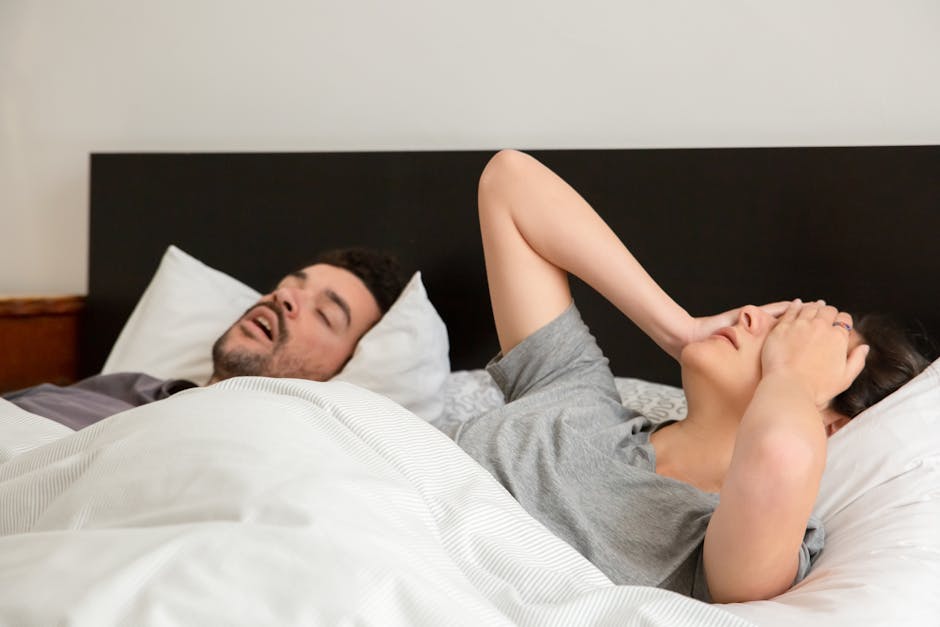
Snoring. That rumbling, rattling sound that can disrupt a peaceful night's sleep for both the snorer and their partner. It's a common problem, affecting millions of people worldwide. While occasional snoring might not be a cause for concern, chronic snoring can signal underlying health issues and significantly impact the quality of life. Fortunately, there are a variety of remedies that can help alleviate snoring and restore tranquility to the bedroom.
One of the most effective ways to combat snoring is to address lifestyle factors. Maintaining a healthy weight is crucial, as excess weight can contribute to snoring by putting pressure on the airways. Regular exercise can help with weight management and improve overall muscle tone, including the muscles in the throat. Avoiding alcohol and sedatives before bed is also important, as these substances can relax the throat muscles, increasing the likelihood of snoring.
Another key lifestyle change is establishing a consistent sleep schedule. Going to bed and waking up around the same time each day helps regulate the body's natural sleep-wake cycle, promoting better sleep quality and potentially reducing snoring. Creating a relaxing bedtime routine can also help prepare the body for sleep. This might include taking a warm bath, reading a book, or listening to calming music.
For some individuals, positional therapy can be a simple yet effective solution. Snoring is often worse when sleeping on the back, as gravity can cause the tongue and soft tissues in the throat to collapse and obstruct the airway. Sleeping on your side can help keep these airways open, reducing or even eliminating snoring. Try using a body pillow or placing a tennis ball in a pocket sewn onto the back of your pajamas to discourage back sleeping.
Over-the-counter nasal strips and dilators can also provide relief for some snorers. These devices work by widening the nasal passages, allowing for increased airflow and reducing the vibrations that cause snoring. Nasal saline sprays or rinses can help clear nasal congestion, which can also contribute to snoring.
If lifestyle changes and over-the-counter remedies aren't effective, it's important to consult a doctor. Snoring can sometimes be a symptom of underlying medical conditions such as sleep apnea, nasal polyps, or a deviated septum. A doctor can diagnose these conditions and recommend appropriate treatment options.
In more severe cases, medical interventions may be necessary. Continuous positive airway pressure (CPAP) therapy is a common treatment for sleep apnea, which involves wearing a mask that delivers pressurized air to keep the airways open during sleep. Other options include oral appliances that reposition the jaw or tongue, and in some cases, surgery may be recommended to correct structural abnormalities in the nose or throat.
Finding the right snoring remedy can significantly improve sleep quality for both the snorer and their partner. By addressing lifestyle factors, exploring over-the-counter options, and seeking professional medical advice when necessary, it’s possible to silence the night and enjoy restful, restorative sleep.
Leave a Reply