
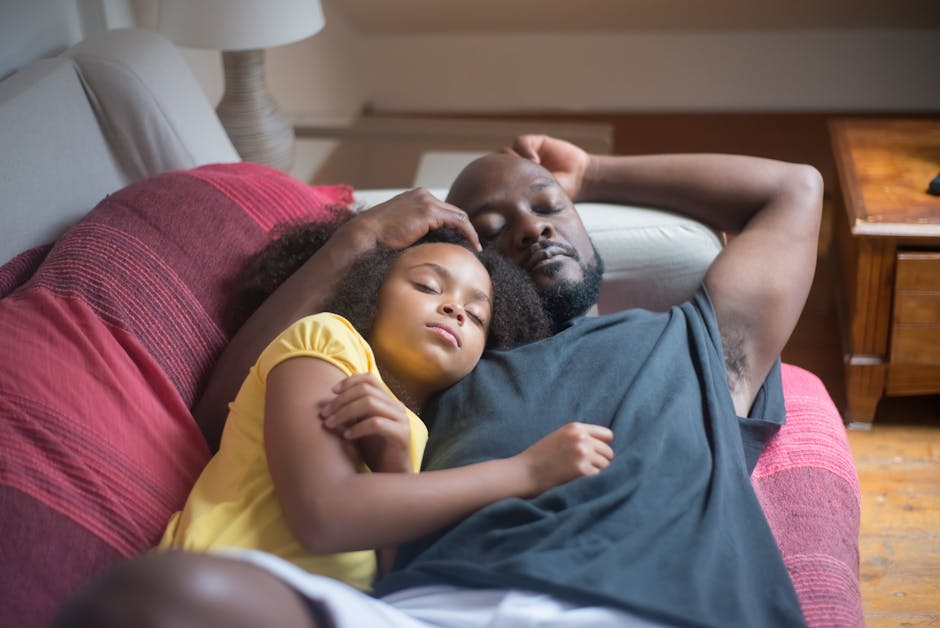
Snoring. That rumbling, sometimes whistling, often disruptive sound that can keep you and your partner awake at night. It's a common problem, affecting millions of people, and can range from a minor annoyance to a sign of a more serious underlying health issue. Luckily, there are a number of remedies available that can help reduce or even eliminate snoring, leading to better sleep for everyone involved.
One of the most effective ways to address snoring is to identify and address any underlying lifestyle factors that might be contributing to the problem. Excess weight, alcohol consumption, and smoking can all exacerbate snoring. Losing weight, even a small amount, can significantly improve airflow and reduce snoring. Avoiding alcohol and cigarettes, especially close to bedtime, can also make a noticeable difference.
Sleeping position plays a significant role in snoring. Sleeping on your back often allows the tongue and soft tissues in the throat to relax and obstruct the airway. Try sleeping on your side. A simple trick is to sew a tennis ball into the back of your pajamas to discourage back sleeping. Specialized pillows designed to promote side sleeping are also available.
Nasal congestion can also contribute to snoring. If allergies or a deviated septum are causing nasal blockage, addressing these issues can often improve snoring. Over-the-counter nasal strips or saline nasal sprays can help open up the nasal passages, making it easier to breathe and reducing snoring.
For some, anti-snoring devices can offer relief. Mandibular advancement devices (MADs) are custom-fit devices that reposition the lower jaw, helping to keep the airway open. Tongue stabilizing devices (TSDs) work by holding the tongue forward, preventing it from falling back and obstructing the airway. These devices can be effective, but it's crucial to consult with a dentist or doctor for proper fitting and guidance.
Another option is continuous positive airway pressure (CPAP) therapy. This involves wearing a mask that delivers a constant stream of air pressure to keep the airway open. CPAP is highly effective for treating obstructive sleep apnea, a serious condition that often involves loud snoring. A doctor can determine if CPAP is the right treatment for you.
Lifestyle changes and devices aren't always enough. In some cases, surgical intervention may be necessary to address anatomical issues that contribute to snoring. Procedures such as uvulopalatopharyngoplasty (UPPP) or laser-assisted uvulopalatoplasty (LAUP) can remove excess tissue in the throat, widening the airway. Septoplasty can correct a deviated septum, improving airflow through the nose.
Snoring can significantly impact sleep quality, both for the snorer and their partner. By exploring these remedies and consulting with a healthcare professional, you can find the right solution to quiet the night and enjoy restful, restorative sleep.
Leave a Reply