
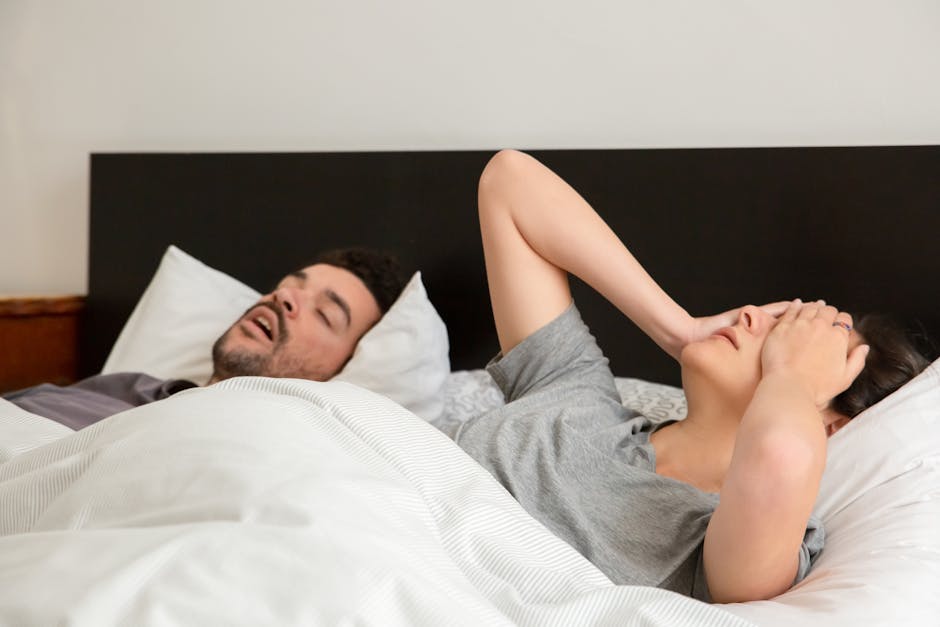
Snoring. That rumbling, rattling, sometimes even snorting sound that can disrupt a peaceful night’s sleep. Whether you’re the snorer or the unfortunate soul sharing a bed with one, it’s a problem that affects millions. Snoring occurs when the airflow through your nose and throat is partially obstructed, causing the surrounding tissues to vibrate. While occasional snoring might be harmless, chronic snoring can be a sign of a more serious underlying health issue and can certainly put a strain on relationships.
Fortunately, there are a number of remedies that can help alleviate snoring. These range from simple lifestyle changes to more advanced medical interventions. Finding the right solution often involves a bit of trial and error, as the cause of snoring can vary from person to person.
One of the easiest and most effective remedies is changing your sleep position. Sleeping on your back often exacerbates snoring, as gravity pulls the tongue and soft tissues back towards the throat, constricting the airway. Try sleeping on your side, using pillows to prop yourself up and maintain this position throughout the night.
Another common culprit is nasal congestion. When your nasal passages are blocked, you’re more likely to breathe through your mouth, which can lead to snoring. Using a saline nasal spray or rinse before bed can help clear out your nasal passages and improve airflow. A humidifier can also add moisture to the air, further easing congestion.
Excess weight can also contribute to snoring. Fatty tissue around the neck can put pressure on the airway, making it narrower. Losing even a small amount of weight can make a significant difference in reducing snoring. Regular exercise and a healthy diet are key to achieving sustainable weight loss.
For some individuals, allergies can be a major trigger for snoring. Identifying and managing your allergies can significantly reduce snoring. This might involve over-the-counter allergy medications, allergen avoidance strategies, or even allergy shots in more severe cases.
If lifestyle changes and over-the-counter remedies aren’t providing relief, it might be time to consult a doctor. They can evaluate your specific situation and recommend more targeted solutions. These might include oral appliances, continuous positive airway pressure (CPAP) therapy, or even surgery in certain cases.
My own experience with my partner's snoring was a long and frustrating journey. We tried everything from different pillows to nasal strips, with limited success. Finally, after consulting with a sleep specialist, we discovered that he had sleep apnea, a condition where breathing repeatedly stops and starts during sleep. He was prescribed a CPAP machine, and it was like a miracle. The snoring stopped almost completely, and we both finally got a good night’s rest. Finding the right solution can take time and effort, but the improved sleep quality and healthier relationship are definitely worth it.
Leave a Reply