
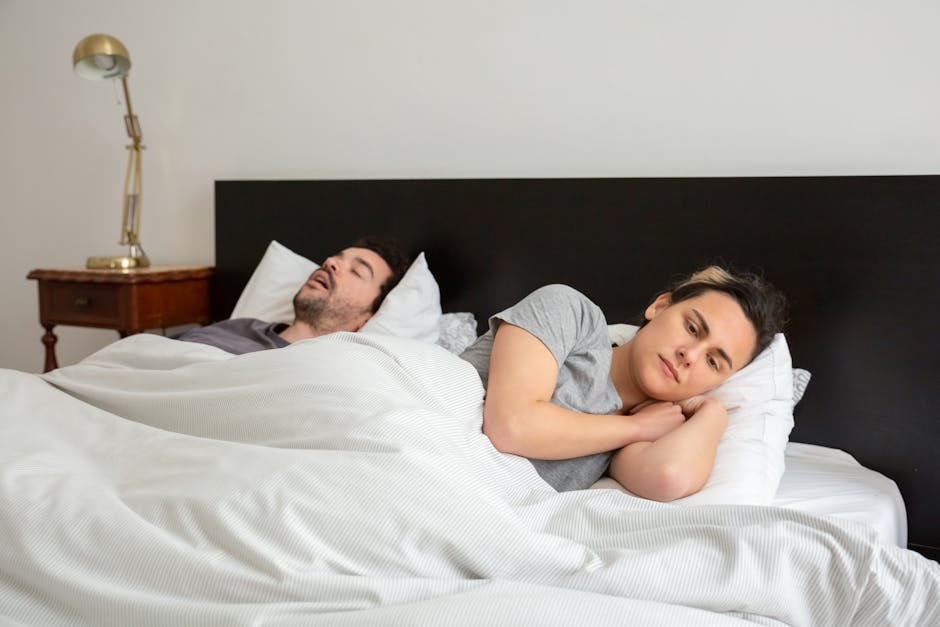
Snoring. That rumbling, rattling sound that can disrupt a peaceful night’s sleep, not just for your partner, but potentially for you too. While occasional snoring might not be cause for alarm, chronic snoring can be a sign of underlying health issues and definitely puts a strain on relationships. Luckily, there are a number of remedies you can explore to quiet the night and reclaim restful slumber.
One of the most common culprits behind snoring is nasal congestion. When your nasal passages are blocked, air is forced through a smaller opening, creating the vibrations that cause snoring. Addressing allergies with antihistamines or using a saline nasal spray can help clear those airways and reduce snoring. Similarly, a humidifier can add moisture to the air, preventing dryness which can also contribute to congestion and snoring.
If nasal congestion isn't the issue, consider your sleep position. Sleeping on your back often leads to the tongue and soft tissues in the throat collapsing into the airway, obstructing airflow and resulting in snoring. Try sleeping on your side. A body pillow can help maintain this position throughout the night. Elevating your head with an extra pillow can also help keep the airways open.
Lifestyle changes can also play a significant role in reducing snoring. Excess weight, especially around the neck, can put pressure on the airway. Losing even a small amount of weight can make a noticeable difference. Smoking irritates the nasal passages and throat, contributing to inflammation and swelling which can worsen snoring. Quitting smoking is beneficial for overall health, including quieter sleep.
Alcohol and sedatives relax the throat muscles, increasing the likelihood of snoring. Limiting alcohol consumption, especially close to bedtime, can help. Similarly, certain medications, like muscle relaxants and some antihistamines, can have a similar effect. If you suspect your medication is contributing to your snoring, talk to your doctor about alternatives.
Oral appliances, available from dentists, can help keep the airway open. These devices, custom-fitted to your mouth, reposition the jaw or tongue, preventing them from obstructing airflow. While they can be effective, they might take some getting used to.
For more persistent snoring, especially if accompanied by daytime sleepiness or gasping during sleep, a visit to a sleep specialist is recommended. They can diagnose underlying conditions like sleep apnea, a serious sleep disorder where breathing repeatedly stops and starts during sleep. Continuous positive airway pressure (CPAP) therapy is a common treatment for sleep apnea, delivering a constant stream of air to keep the airway open.
Snoring can significantly impact the quality of your sleep and your partner’s. By exploring these remedies and consulting a healthcare professional if necessary, you can take steps towards quieter nights and more restful sleep for everyone involved.
Leave a Reply