
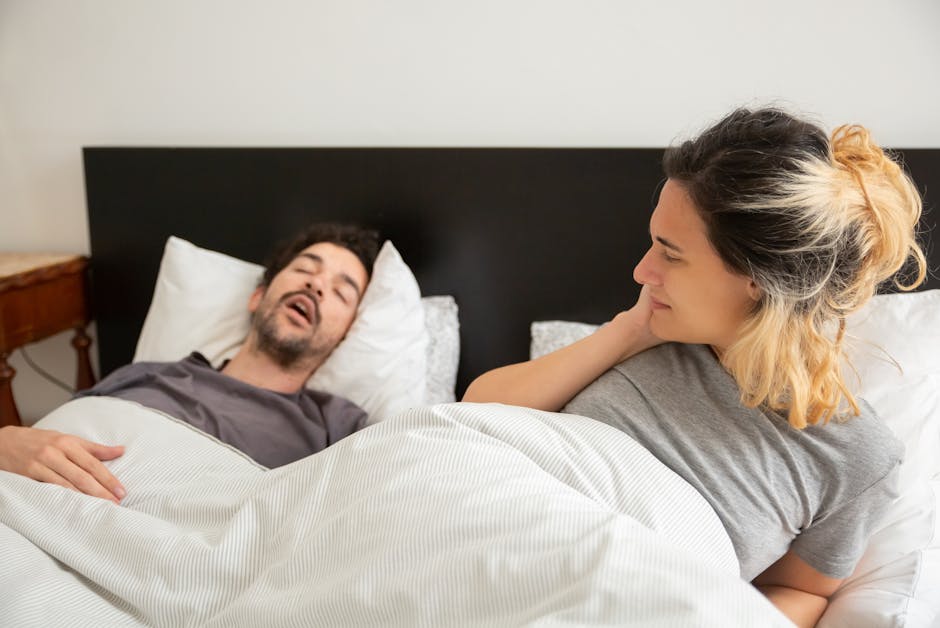
Snoring. It's the nighttime noise that can disrupt sleep for both the snorer and anyone within earshot. But beyond being a nuisance, snoring can sometimes be a sign of underlying health issues. Fortunately, there are a number of remedies that can help quiet those nighttime rumbles and improve sleep quality for everyone involved.
One of the most common causes of snoring is nasal congestion. When your nasal passages are blocked, airflow is restricted, leading to vibrations in the soft tissues of the throat. Simple solutions like using a saline nasal spray or rinse before bed can help clear those passages and reduce snoring. Over-the-counter nasal strips can also help open up the airways, making breathing easier and quieter.
If allergies are contributing to your congestion, identifying and managing those allergens can make a big difference. Dust mites, pet dander, and pollen are common culprits. Regularly cleaning your bedding, using hypoallergenic pillowcases, and keeping pets out of the bedroom can help minimize exposure. Over-the-counter allergy medications can also provide relief.
Lifestyle changes can also play a significant role in reducing snoring. Losing weight, even a small amount, can help reduce fatty tissue in the throat that contributes to snoring. Regular exercise can also improve muscle tone and overall health, which can positively impact sleep quality. Avoiding alcohol and heavy meals before bed can also help.
Sleeping position can also influence snoring. Sleeping on your back often exacerbates snoring because gravity pulls the soft tissues in the throat backward, narrowing the airway. Try sleeping on your side. A simple trick is to sew a tennis ball into the back of your pajamas to discourage back sleeping. Specialized pillows designed to promote side sleeping are also available.
For some individuals, snoring may be a symptom of a more serious condition called sleep apnea. Sleep apnea is characterized by pauses in breathing during sleep and can have significant health consequences. If your snoring is accompanied by gasping or choking sounds, excessive daytime sleepiness, or morning headaches, it's important to consult a doctor for evaluation.
Several medical devices can help address snoring. Oral appliances, custom-fitted by a dentist, can help reposition the jaw and tongue to keep the airway open. Continuous positive airway pressure (CPAP) machines deliver a constant stream of air through a mask, preventing the airway from collapsing. While effective, CPAP machines can take some getting used to.
Ultimately, finding the right snoring remedy requires a bit of detective work. Keeping a sleep diary, noting any patterns or triggers, can be helpful. Discussing your snoring with your doctor or a sleep specialist can help determine the underlying cause and guide you towards the most appropriate solutions. With a little effort, you can reclaim a peaceful night's sleep for yourself and your loved ones.
Leave a Reply