
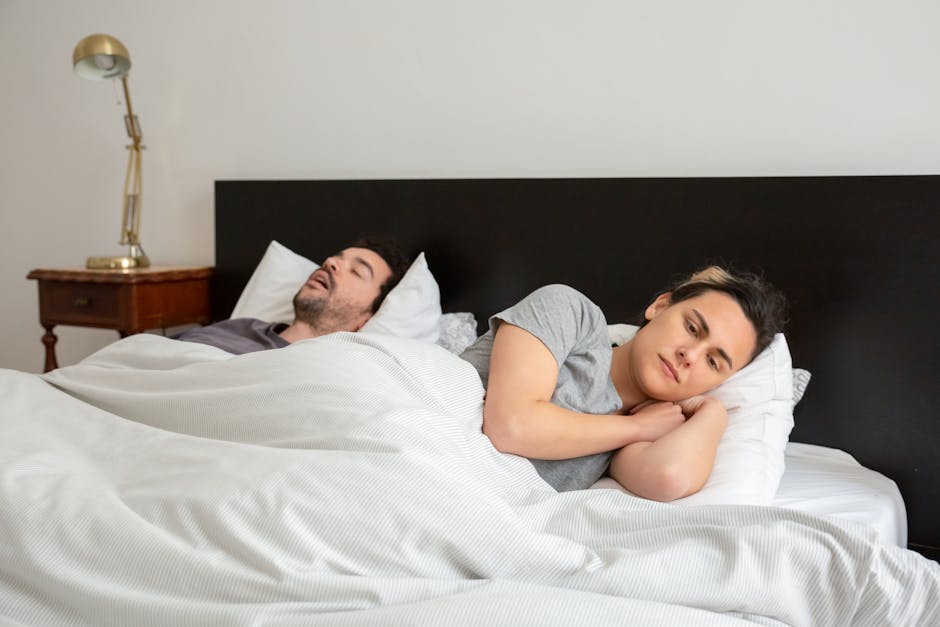
Snoring. That rumbling, sometimes whistling, often disruptive sound that can ruin a good night's sleep – both for the snorer and anyone within earshot. While occasional snoring isn't usually a cause for concern, habitual snoring can signal underlying health issues and significantly impact sleep quality. Fortunately, there are a variety of remedies that can help silence the night and promote restful slumber.
One of the most common causes of snoring is nasal congestion. When the nasal passages are blocked, airflow is restricted, leading to vibrations in the soft tissues of the throat. Addressing nasal congestion can often significantly reduce or eliminate snoring. Simple solutions like saline nasal sprays or rinses can help clear the nasal passages, while nasal strips can physically widen the nostrils to improve airflow.
Another contributing factor to snoring is sleep position. Sleeping on your back often allows the tongue and soft palate to relax and fall back into the throat, obstructing the airway. Try sleeping on your side. A simple trick is to sew a tennis ball into the back of your pajamas to discourage back sleeping. Specialized pillows designed to promote side sleeping are also available.
Lifestyle changes can also play a significant role in reducing snoring. Excess weight can contribute to snoring by increasing the amount of tissue in the neck and throat. Losing even a small amount of weight can make a difference. Regular exercise can also improve muscle tone and overall health, which can positively impact snoring.
Alcohol and certain medications, particularly sedatives and muscle relaxants, can relax the throat muscles, increasing the likelihood of snoring. Limiting alcohol consumption and discussing medication side effects with your doctor can be helpful. Smoking irritates the nasal passages and throat, contributing to inflammation and swelling, which can worsen snoring. Quitting smoking can improve overall health and reduce snoring.
Oral appliances, custom-fitted by a dentist, can help reposition the jaw and tongue to keep the airway open. These appliances can be effective for many snorers, but they may take some getting used to. Continuous positive airway pressure (CPAP) therapy is a common treatment for obstructive sleep apnea, a more serious condition characterized by pauses in breathing during sleep. A CPAP machine delivers a constant stream of air through a mask, keeping the airway open.
While many snoring remedies can be implemented at home, it's important to consult with a doctor if snoring is severe, persistent, or accompanied by other symptoms like excessive daytime sleepiness, morning headaches, or difficulty concentrating. These could be signs of obstructive sleep apnea, which requires medical attention.
By understanding the causes of snoring and exploring the various remedies available, you can take steps towards quieter nights and more restful sleep. Don't let snoring disrupt your life any longer. Take action and reclaim the peace and quiet you deserve.
Leave a Reply