
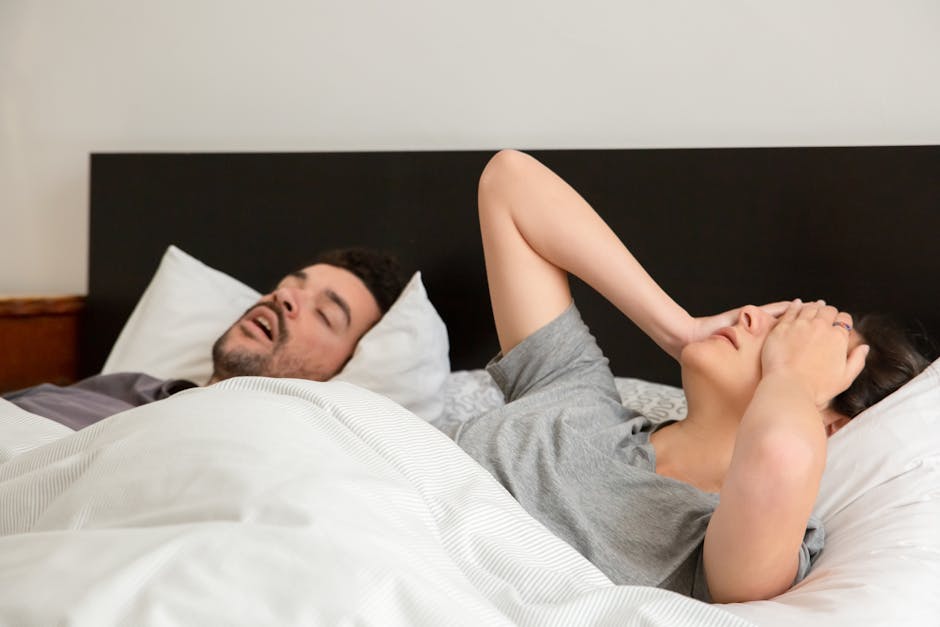
Snoring. That delightful nocturnal serenade that can test the patience of even the soundest sleeper. Whether it's your own snores rattling the windows or a partner's rumbling that keeps you up, it's a common problem that can lead to sleepless nights, daytime fatigue, and sometimes, a bit of resentment. Fortunately, there are a number of remedies you can explore to quiet the nightly orchestra.
One of the most common culprits behind snoring is nasal congestion. When your nasal passages are blocked, air is forced through a smaller opening, creating the vibrations that result in snoring. Simple solutions like saline nasal sprays, nasal strips, or a neti pot can help clear those airways and reduce snoring.
Another factor contributing to snoring is your sleep position. Sleeping on your back often allows the tongue and soft tissues in the throat to relax and fall back, obstructing the airway. Try sleeping on your side. A body pillow can help maintain this position throughout the night. Elevating your head with an extra pillow can also help keep the airways open.
Lifestyle changes can also make a significant difference. Excess weight can contribute to snoring, as fatty tissue around the neck can put pressure on the airways. Regular exercise and a healthy diet can help shed those extra pounds and potentially reduce snoring. Alcohol and sedatives relax the throat muscles, making snoring more likely. Avoiding these substances before bed can help.
If you smoke, quitting is one of the best things you can do for your overall health, including reducing snoring. Smoking irritates the nasal passages and throat, leading to inflammation and congestion, which can exacerbate snoring.
For persistent snoring, there are also several over-the-counter devices available. Anti-snoring mouthpieces, also known as mandibular advancement devices, help keep the airway open by repositioning the jaw. Chin straps can help keep your mouth closed, encouraging nasal breathing. Throat sprays can lubricate and tighten the tissues in the throat, reducing vibrations.
If you've tried various remedies and are still struggling with snoring, it's a good idea to consult a doctor. They can rule out any underlying medical conditions, such as sleep apnea, a more serious sleep disorder characterized by pauses in breathing during sleep. They can also recommend specialized treatments, such as continuous positive airway pressure (CPAP) therapy.
Snoring can be a disruptive problem, but with a little detective work and some simple lifestyle changes, you can often find effective solutions to reclaim a peaceful night's sleep for yourself and anyone within earshot. So, ditch the earplugs and embrace the quiet!
Leave a Reply