
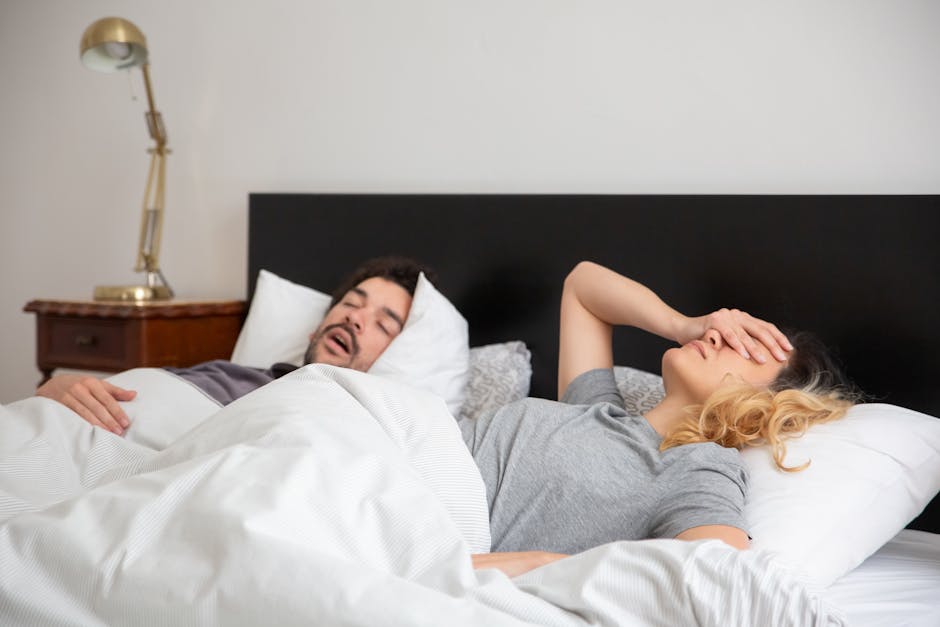
Snoring. That rumbling, sometimes whistling sound that can disrupt a good night’s sleep – both for the snorer and anyone within earshot. It’s a common problem, affecting millions of people, and can range from a mild annoyance to a sign of a more serious underlying health issue. While occasional snoring isn't usually cause for concern, chronic snoring can strain relationships, lead to daytime fatigue, and even increase the risk of certain health problems.
Luckily, there are a number of remedies that can help reduce or even eliminate snoring. These remedies range from simple lifestyle changes to more involved medical interventions. Finding the right solution often involves a bit of trial and error, as the underlying cause of snoring varies from person to person.
One of the most effective lifestyle changes for reducing snoring is weight loss. Excess weight, particularly around the neck, can put pressure on the airways, making it more difficult to breathe freely during sleep. Even a modest amount of weight loss can make a noticeable difference in snoring intensity.
Another helpful lifestyle adjustment is avoiding alcohol and sedatives before bed. These substances relax the muscles in the throat, which can contribute to airway narrowing and increased snoring. Similarly, smoking irritates the nasal passages and throat, leading to inflammation and swelling that can exacerbate snoring.
Sleeping on your side can also make a significant difference. When you sleep on your back, gravity pulls the tongue and soft tissues in the throat backward, obstructing the airway. Sleeping on your side helps keep the airway open and reduces the likelihood of snoring. A simple trick to stay on your side is to sew a tennis ball into the back of your pajamas.
For those who continue to snore despite lifestyle changes, several over-the-counter aids are available. Nasal strips can help open the nasal passages, making it easier to breathe. Oral appliances, which reposition the jaw and tongue, can also be effective in reducing snoring.
If lifestyle changes and over-the-counter remedies don't provide sufficient relief, it's important to consult a doctor. Snoring can sometimes be a symptom of obstructive sleep apnea, a serious condition in which breathing repeatedly stops and starts during sleep. A doctor can diagnose sleep apnea and recommend appropriate treatment, such as continuous positive airway pressure (CPAP) therapy.
Finding the right snoring remedy can dramatically improve the quality of your sleep and your overall health. By exploring these options and working with your doctor if necessary, you can take steps towards quieter nights and more restful days.
Leave a Reply