
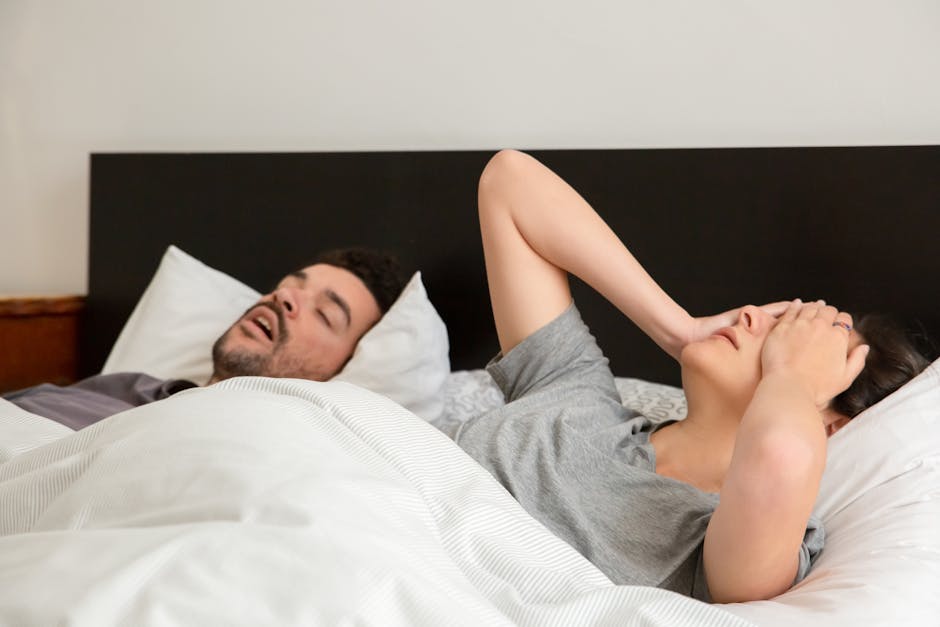
Snoring. That rumbling, rattling sound that can disrupt your sleep and your partner's. It's a common problem, affecting millions of people worldwide. While sometimes harmless, snoring can also be a sign of underlying health issues. Fortunately, there are a number of remedies that can help you quiet the night and enjoy restful slumber.
One of the simplest and most effective remedies is changing your sleep position. Sleeping on your back often exacerbates snoring as gravity pulls the tongue and soft tissues in the throat backward, obstructing the airway. Try sleeping on your side, using a pillow to prop yourself up, or even sewing a tennis ball into the back of your pajama top to discourage back sleeping.
Maintaining a healthy weight can also significantly reduce snoring. Excess weight, particularly around the neck, can put pressure on the airway, making it more likely to collapse during sleep. Even a modest weight loss can make a noticeable difference in snoring intensity.
Alcohol and sedatives relax the muscles in the throat, increasing the likelihood of snoring. Avoiding these substances, especially close to bedtime, can help keep your airways open and reduce snoring.
Staying hydrated is crucial for overall health, and it can also help with snoring. When you're dehydrated, the secretions in your nose and throat become thicker and stickier, contributing to airway obstruction. Drinking plenty of water throughout the day can help keep these passages clear.
Nasal congestion can also lead to snoring. If allergies or a cold are to blame, try using a saline nasal spray or rinse to clear your nasal passages. Nasal strips can also help to open up the airways, making breathing easier and quieter.
Oral appliances, available from dentists or over-the-counter, can help reposition the jaw and tongue, preventing them from blocking the airway. These devices can be effective for some people, but it's important to find one that fits comfortably and doesn't cause jaw pain.
If snoring persists despite trying these remedies, it's important to consult a doctor. Snoring can sometimes be a symptom of sleep apnea, a serious condition that causes breathing to repeatedly stop and start during sleep. A doctor can diagnose sleep apnea and recommend appropriate treatment, such as continuous positive airway pressure (CPAP) therapy.
Leave a Reply