
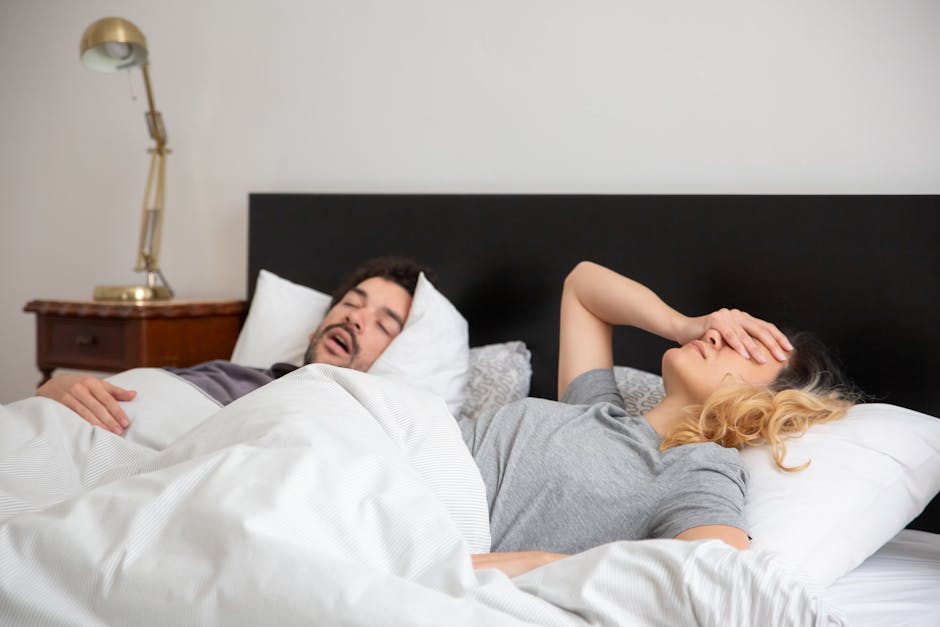
Snoring is a common problem that affects millions of people worldwide. It can disrupt sleep for both the snorer and their partner, leading to daytime fatigue, irritability, and relationship problems. While occasional snoring may not be a cause for concern, chronic snoring can be a sign of a more serious underlying health condition, such as sleep apnea. Fortunately, there are a number of effective remedies that can help reduce or eliminate snoring.
Lifestyle changes can often make a significant difference in snoring frequency and intensity. Maintaining a healthy weight is crucial, as excess weight can put pressure on the airways, contributing to snoring. Regular exercise can help with weight management and improve overall sleep quality. Avoiding alcohol and sedatives before bed is also important, as these substances can relax the throat muscles, making snoring more likely. Finally, establishing a consistent sleep schedule can regulate your body's natural sleep-wake cycle, promoting better sleep and reducing snoring.
Sleeping on your side can be a simple yet effective way to reduce snoring. This position helps keep the airways open and prevents the tongue from falling back into the throat, which can obstruct breathing and cause snoring. If you have difficulty staying on your side, try using a body pillow or placing a tennis ball in a sock sewn to the back of your pajamas. This can help train you to sleep on your side and prevent you from rolling onto your back during the night.
Nasal congestion can also contribute to snoring. If allergies or a deviated septum are causing nasal blockage, addressing these issues can significantly reduce snoring. Over-the-counter nasal strips can help open the nasal passages, making breathing easier. Saline nasal sprays or rinses can also help clear out mucus and allergens, improving airflow. For more persistent nasal congestion, consulting a doctor may be necessary.
Oral appliances are another option for treating snoring. These devices are custom-fitted by a dentist and work by repositioning the jaw or tongue to keep the airways open. While they can be effective, oral appliances can be expensive and may take some time to get used to. However, for many people, the benefits of reduced snoring and improved sleep outweigh the initial discomfort.
For those with severe snoring, particularly those with obstructive sleep apnea, a continuous positive airway pressure (CPAP) machine may be recommended. This device delivers a constant stream of air through a mask worn over the nose or mouth, keeping the airways open during sleep. While highly effective, CPAP machines can be cumbersome and require regular cleaning and maintenance.
Surgery is typically considered a last resort for snoring treatment. Several surgical procedures can address anatomical issues that contribute to snoring, such as a deviated septum, enlarged tonsils, or excess tissue in the throat. However, surgery carries risks and should only be considered after other treatment options have been explored.
By understanding the causes of snoring and exploring the various remedies available, you can take steps towards a quieter, more restful night's sleep for both yourself and your partner. If snoring persists despite trying these remedies, it's essential to consult a doctor to rule out any underlying medical conditions.
Leave a Reply