
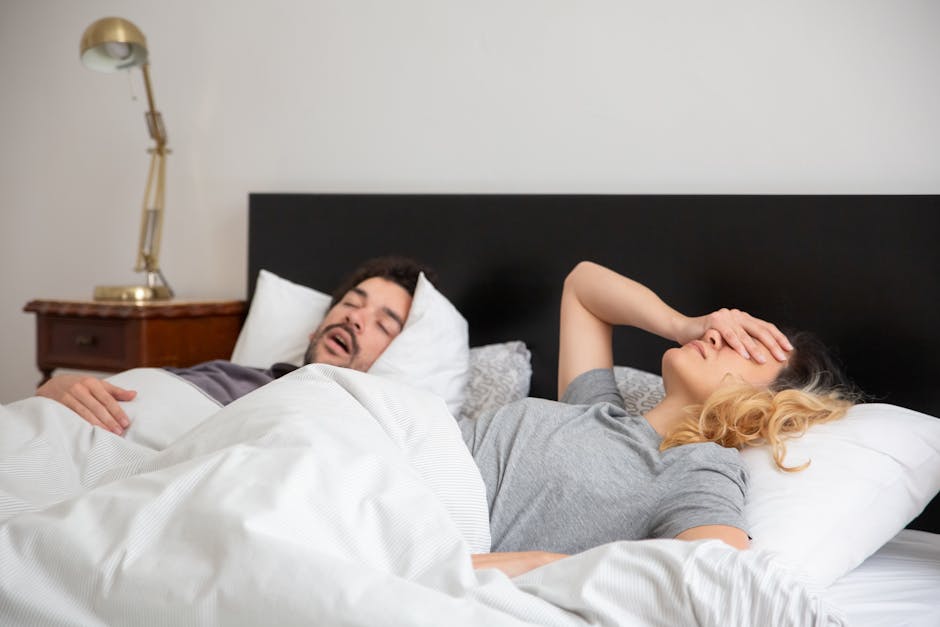
Snoring. That rumbling, rattling, sometimes even roaring sound that can disrupt a peaceful night's sleep – both for the snorer and anyone within earshot. While often treated as a humorous annoyance, snoring can be a sign of a more serious underlying health issue and, at the very least, can put a strain on relationships. Luckily, there are a number of remedies available to help quiet the nightly noise.
One of the most common causes of snoring is nasal congestion. When the nasal passages are blocked, air is forced through a smaller opening, creating the vibrations that we hear as snoring. Simple solutions like nasal strips, saline rinses, or a humidifier can help open up the airways and reduce snoring. For allergies, over-the-counter or prescription medications might be necessary.
Another culprit behind snoring is sleep position. Sleeping on your back often allows the tongue and soft tissues in the throat to relax and fall back, obstructing the airway. Try sleeping on your side. A body pillow can help maintain this position throughout the night. If you find yourself stubbornly returning to your back, sewing a tennis ball into the back of your pajamas can be a surprisingly effective, if slightly uncomfortable, deterrent.
Excess weight can also contribute to snoring. Fatty tissue around the neck can put pressure on the airway, making it narrower. Even a modest weight loss can significantly reduce snoring. Regular exercise and a healthy diet are beneficial for overall health, and a quieter night's sleep can be a welcome side effect.
Alcohol and sedatives relax the throat muscles, increasing the likelihood of snoring. Avoiding these substances, especially close to bedtime, can make a difference. Smoking also irritates the airways, leading to inflammation and increased congestion, which can exacerbate snoring. Quitting smoking is beneficial for numerous health reasons, including reducing snoring.
For more persistent snoring, there are a variety of specialized devices available. Mandibular advancement devices (MADs) reposition the lower jaw forward, opening up the airway. These devices are custom-fitted by a dentist. Continuous positive airway pressure (CPAP) machines deliver a constant stream of air through a mask, keeping the airway open. While effective, CPAP machines can take some getting used to.
In some cases, snoring can be a symptom of a more serious condition called sleep apnea. Sleep apnea is characterized by pauses in breathing during sleep. If you suspect you might have sleep apnea, it’s crucial to consult a doctor for a diagnosis and appropriate treatment. Untreated sleep apnea can have serious health consequences.
Finding the right snoring remedy often involves a bit of trial and error. What works for one person might not work for another. By addressing lifestyle factors, trying simple remedies, and consulting with a healthcare professional if necessary, you can significantly improve your chances of a peaceful and quiet night's sleep – for yourself and anyone within earshot.
Leave a Reply