
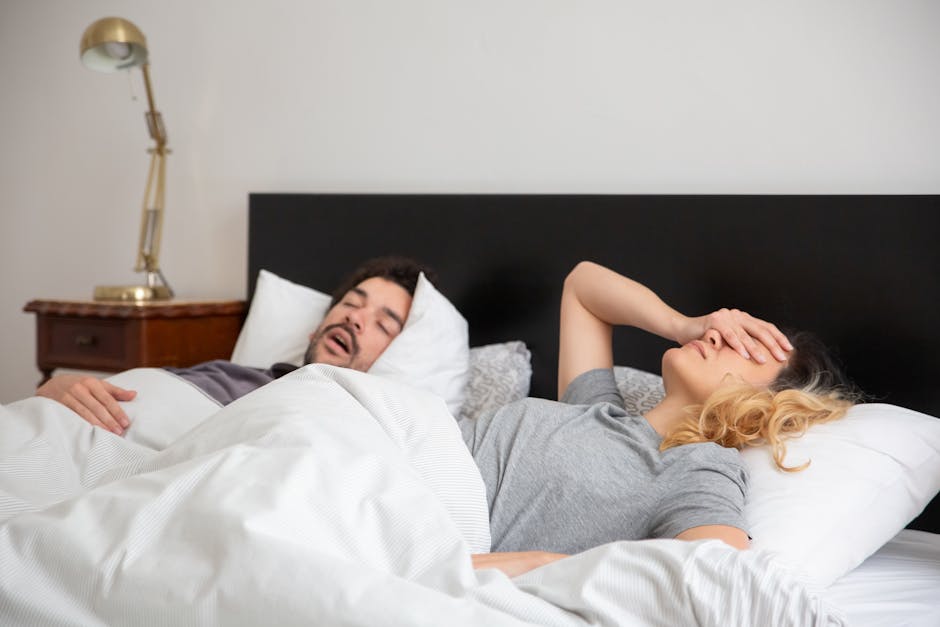
Snoring. That rumbling, rattling sound that can disrupt a peaceful night's sleep, not only for your partner but also for yourself. While occasional snoring might be harmless, chronic snoring can be a sign of underlying health issues and significantly impact sleep quality. Fortunately, there are various remedies available that can help alleviate snoring and restore tranquility to your nights.
One of the most common causes of snoring is nasal congestion. When your nasal passages are blocked, airflow is restricted, leading to vibrations in the soft tissues of the throat. Simple solutions like saline nasal sprays or nasal strips can help open up your airways and reduce snoring. Using a humidifier in your bedroom can also add moisture to the air, preventing dryness and congestion.
Another contributing factor to snoring is sleeping position. Sleeping on your back often causes the tongue and soft palate to collapse into the back of the throat, obstructing airflow. Try sleeping on your side to keep your airways open. A body pillow can help maintain this position throughout the night.
Excess weight can also contribute to snoring. Fatty tissues around the neck can put pressure on the airways, making them narrower. Adopting a healthy lifestyle that includes regular exercise and a balanced diet can help you shed those extra pounds and potentially reduce snoring.
Certain lifestyle habits can exacerbate snoring. Alcohol and sedatives relax the throat muscles, increasing the likelihood of snoring. Smoking irritates the nasal passages and throat, leading to inflammation and congestion. Limiting alcohol consumption, avoiding sedatives before bed, and quitting smoking can significantly improve snoring.
Oral appliances, designed to keep the airway open, can be effective for some snorers. Mandibular advancement devices (MADs) bring the lower jaw forward, preventing the tongue from falling back and obstructing the airway. Tongue retaining devices (TRDs) hold the tongue in place, preventing it from blocking the airway.
For more severe cases of snoring, medical interventions might be necessary. Continuous positive airway pressure (CPAP) therapy delivers a constant stream of air through a mask, keeping the airways open. Surgical procedures, such as uvulopalatopharyngoplasty (UPPP) or laser-assisted uvulopalatoplasty (LAUP), can remove excess tissue in the throat, widening the airway.
If you're struggling with snoring, don't despair. There are numerous remedies available that can help you find relief. Experiment with different approaches to discover what works best for you. Consult with your doctor or a sleep specialist to rule out any underlying medical conditions and discuss the most appropriate treatment options. With the right approach, you can silence the night and enjoy restful, snore-free sleep.
Leave a Reply