
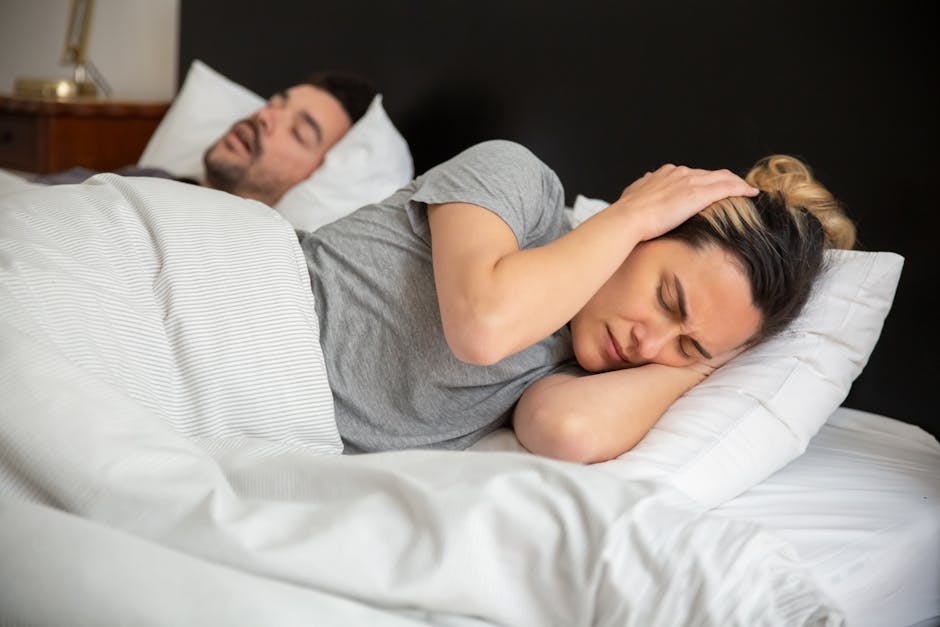
Snoring is a common problem that can disrupt your sleep and the sleep of your partner. It occurs when the airflow through your nose and throat is partially obstructed, causing the surrounding tissues to vibrate and create the characteristic snoring sound. While occasional snoring may not be a cause for concern, chronic snoring can be a sign of an underlying health issue and should be addressed.
Several factors contribute to snoring, including nasal congestion, obesity, alcohol consumption, and sleeping position. When your nasal passages are blocked, you're more likely to breathe through your mouth, which increases the likelihood of snoring. Excess weight can put pressure on the airways, narrowing them and making it harder to breathe. Alcohol relaxes the throat muscles, which can also lead to snoring. Sleeping on your back often exacerbates snoring as gravity pulls the tongue and soft tissues back towards the throat.
Fortunately, there are a number of remedies you can try to alleviate snoring. Lifestyle changes such as losing weight, avoiding alcohol before bed, and sleeping on your side can make a significant difference. Regular exercise can also improve muscle tone and reduce snoring. Keeping your nasal passages clear by using nasal strips or saline rinses can also be beneficial.
If lifestyle changes aren't enough, several over-the-counter products can help. Anti-snoring mouthpieces, also known as mandibular advancement devices, help keep the airway open by pushing the lower jaw forward. Nasal dilators can widen the nasal passages, making it easier to breathe through your nose. Throat sprays and lubricants can help reduce tissue vibration and minimize snoring.
For more persistent snoring, medical interventions may be necessary. Continuous positive airway pressure (CPAP) therapy is a common treatment for sleep apnea, a condition characterized by pauses in breathing during sleep. CPAP involves wearing a mask that delivers pressurized air to keep the airway open. Other medical procedures, such as surgery to remove excess tissue in the throat or nasal passages, may be considered in certain cases.
Before trying any snoring remedies, it's important to consult with a doctor to rule out any underlying medical conditions. They can help determine the cause of your snoring and recommend the most appropriate treatment options. If your snoring is severe or accompanied by other symptoms such as excessive daytime sleepiness or gasping for air during sleep, it's essential to seek medical attention promptly.
In addition to the remedies mentioned above, maintaining good sleep hygiene can also contribute to reducing snoring. This includes establishing a regular sleep schedule, creating a relaxing bedtime routine, and ensuring your bedroom is dark, quiet, and cool. Avoiding caffeine and nicotine before bed can also improve sleep quality and reduce snoring.
By implementing these tips and guides, you can take proactive steps towards quieter nights and more restful sleep for both yourself and your partner. Remember that finding the right solution may require some experimentation and patience, but the benefits of a snore-free night are well worth the effort.
Leave a Reply