
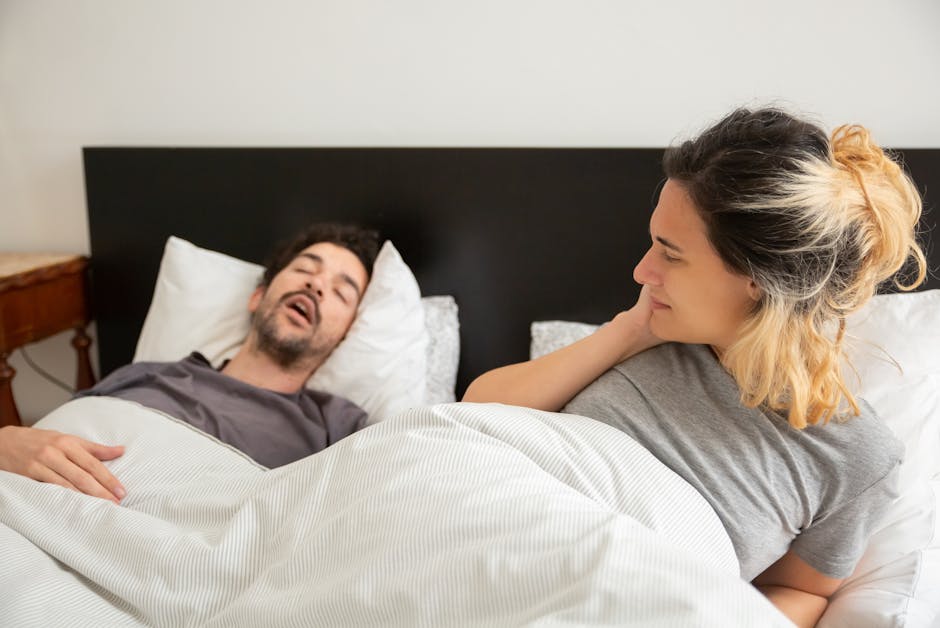
Snoring. That nightly serenade that can range from a gentle purr to a rumbling freight train. It’s a common problem, affecting millions of people and their sleep-deprived partners. While sometimes humorous, snoring can be a serious issue, disrupting sleep and potentially indicating underlying health problems. Luckily, there are a variety of remedies available to help silence the nightly noise and restore peaceful slumber.
One of the simplest and most effective solutions is changing sleep positions. Sleeping on your back often exacerbates snoring as gravity pulls the tongue and soft tissues back, obstructing the airway. Try sleeping on your side, using pillows to prop yourself up and maintain the position throughout the night. This can significantly reduce or even eliminate snoring in some individuals.
Another lifestyle change that can make a difference is losing weight. Excess weight, particularly around the neck and chest, can put pressure on the airways, contributing to snoring. Even a modest weight loss can improve airflow and lessen snoring intensity. Regular exercise and a healthy diet are key to achieving and maintaining a healthy weight.
Staying hydrated is also important. Dehydration thickens nasal secretions, making it harder to breathe and potentially increasing snoring. Drinking plenty of water throughout the day, especially before bed, can help keep nasal passages clear and reduce snoring.
For nasal congestion, which can worsen snoring, consider using a saline nasal spray or rinse before bed. This can help clear out mucus and allergens, allowing for easier breathing. Nasal strips, which adhere to the bridge of the nose and widen the nostrils, can also provide some relief.
If lifestyle changes aren't enough, there are several over-the-counter aids available. Anti-snoring mouthpieces, which reposition the jaw and tongue to open the airway, can be effective for some individuals. Throat sprays and lubricants can also help reduce snoring by moisturizing the tissues and reducing vibrations.
For more persistent or severe snoring, it's essential to consult a doctor. Snoring can sometimes be a symptom of underlying medical conditions like sleep apnea, a serious sleep disorder that requires medical attention. A doctor can evaluate your snoring and determine if further testing or treatment is necessary.
Ultimately, finding the right snoring remedy often requires a bit of trial and error. By exploring these options and consulting with a healthcare professional if needed, you can reclaim a peaceful night’s sleep for yourself and your partner, putting an end to the nightly symphony of snorts.
Leave a Reply