
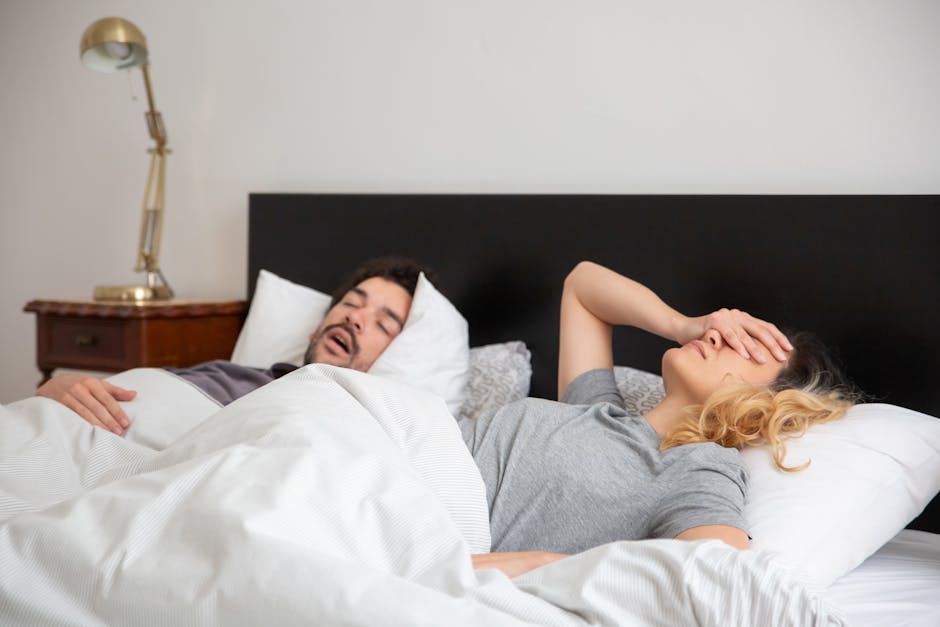
Snoring is a common problem that affects millions of people worldwide. It can disrupt sleep for both the snorer and their partner, leading to daytime fatigue, irritability, and relationship problems. While occasional snoring may not be a cause for concern, chronic snoring can be a sign of a more serious underlying health issue, such as sleep apnea. Fortunately, there are various remedies available that can help reduce or eliminate snoring, promoting a better night's sleep for everyone involved.
One of the most effective ways to stop snoring is to make lifestyle changes. Losing weight, if you are overweight or obese, can significantly reduce snoring. Excess weight around the neck can compress the airways, making it more difficult to breathe. Regular exercise can also help improve muscle tone in the throat and reduce fatty tissue, which can contribute to snoring. Avoiding alcohol and sedatives before bed is crucial, as these substances relax the throat muscles, increasing the likelihood of snoring.
Another important lifestyle change is to establish a regular sleep schedule. Going to bed and waking up at the same time each day helps regulate your body's natural sleep-wake cycle, promoting better sleep quality. Creating a relaxing bedtime routine can also help prepare your body for sleep. This could include taking a warm bath, reading a book, or listening to calming music.
If lifestyle changes aren't enough, there are several other remedies you can try. Nasal strips can help open up the nasal passages, making it easier to breathe through your nose. These strips are placed over the bridge of the nose and gently pull the nostrils open. Oral appliances, such as mandibular advancement devices, can help reposition the jaw and tongue, keeping the airways open. These devices are custom-fitted by a dentist or sleep specialist.
For those with nasal congestion, using a saline nasal spray or rinse before bed can help clear the nasal passages and reduce snoring. Elevating the head of the bed by a few inches can also help improve airflow and reduce snoring. This can be achieved by placing blocks under the bedposts or using a wedge pillow.
In some cases, surgery may be necessary to correct structural abnormalities that contribute to snoring. Procedures such as uvulopalatopharyngoplasty (UPPP) or laser-assisted uvulopalatoplasty (LAUP) remove excess tissue in the throat, widening the airways. Septoplasty can correct a deviated septum, improving airflow through the nose.
If you suspect you have sleep apnea, a sleep study is essential. Sleep apnea is a serious sleep disorder characterized by pauses in breathing during sleep. A sleep study can diagnose sleep apnea and determine the appropriate treatment, which may include continuous positive airway pressure (CPAP) therapy.
By implementing these tips and consulting with a healthcare professional if necessary, you can significantly reduce or eliminate snoring and enjoy a peaceful night's sleep. Remember that finding the right remedy may require some experimentation, but the benefits of a snore-free night are well worth the effort.
Leave a Reply