
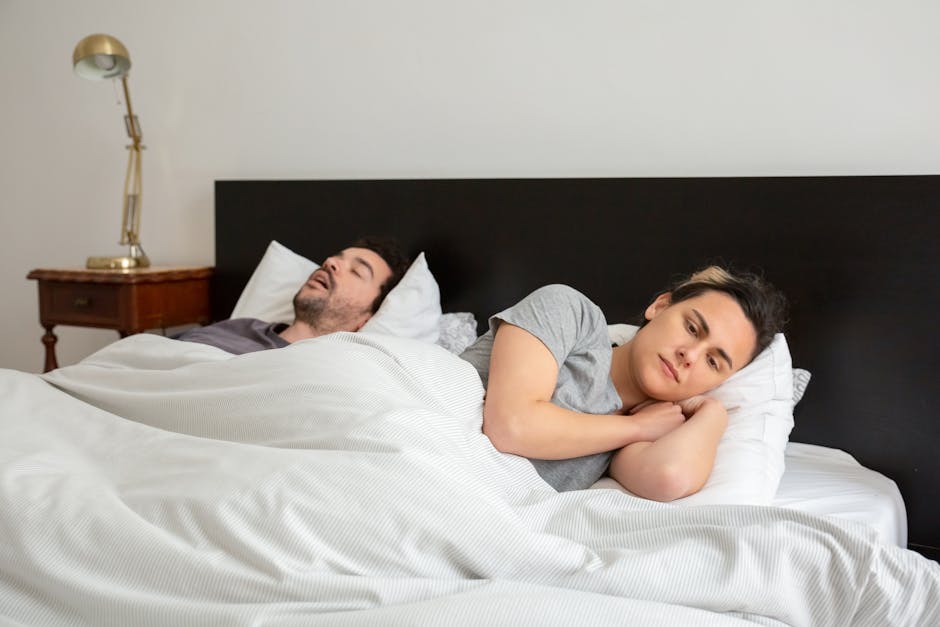
Snoring. That rumbling, sometimes whistling, often disruptive sound that can keep you and your partner up at night. It’s a common problem, affecting millions of people, and can range from a minor annoyance to a sign of a more serious underlying health condition. Fortunately, there are a number of remedies you can try to quiet the night and reclaim those precious hours of sleep.
One of the simplest and most effective remedies for snoring is changing your sleep position. Sleeping on your back often allows the tongue and soft tissues in the throat to relax and fall back, partially obstructing the airway and causing snoring. Try sleeping on your side. You can even sew a tennis ball into the back of your pajamas to discourage back sleeping.
Maintaining a healthy weight can also significantly impact snoring. Excess weight, especially around the neck, can put pressure on the airway, narrowing it and increasing the likelihood of snoring. Even a modest weight loss can make a difference. Combine a balanced diet with regular exercise to achieve and maintain a healthy weight.
Staying hydrated is another surprisingly effective snoring remedy. Dehydration can thicken nasal secretions, making it harder to breathe and increasing the chances of snoring. Aim to drink plenty of water throughout the day, especially in the hours leading up to bedtime.
Alcohol and certain medications, such as sedatives and muscle relaxants, can relax the throat muscles, contributing to snoring. Avoid consuming alcohol close to bedtime and talk with your doctor about any medications you’re taking that might be exacerbating your snoring.
Creating a regular sleep schedule can improve sleep quality overall, which can indirectly reduce snoring. Going to bed and waking up around the same time each day helps regulate your body’s natural sleep-wake cycle, promoting better sleep.
Allergies can cause nasal congestion, which can lead to snoring. Identify and address any potential allergens in your bedroom, such as dust mites, pet dander, or pollen. Regularly washing bedding and using hypoallergenic pillowcases can help.
If you’ve tried these remedies and your snoring persists, it’s important to consult with a doctor. Snoring can sometimes be a symptom of a more serious condition, such as sleep apnea. A doctor can help determine the underlying cause of your snoring and recommend appropriate treatment options.
Leave a Reply