
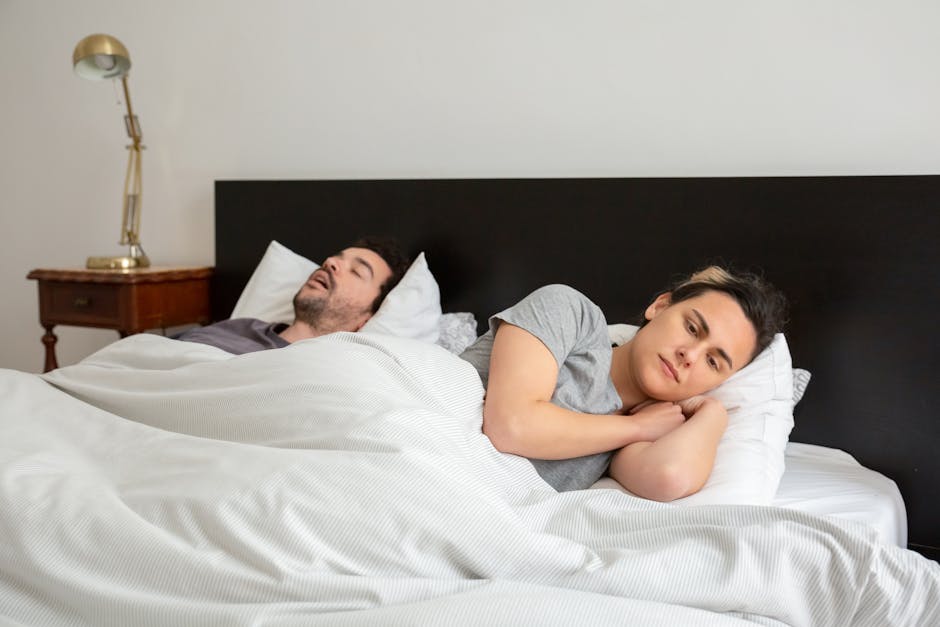
Snoring. That rumbling, rattling, sometimes even snorting sound that can disrupt a peaceful night's sleep. It's a common problem, affecting millions of people and their partners. While occasionally snoring might not be a cause for concern, chronic snoring can be a sign of underlying health issues and can severely impact the quality of your sleep and your relationship. Luckily, there are a number of remedies available that can help alleviate snoring and bring back tranquility to the bedroom.
One of the most common causes of snoring is nasal congestion. When your nasal passages are blocked, air is forced through a smaller opening, creating the vibrations that cause snoring. Simple solutions like saline nasal sprays, nasal strips, or a neti pot can help clear the nasal passages and reduce snoring. Elevating your head with an extra pillow can also help improve airflow and minimize snoring.
Lifestyle changes can also make a significant difference. Losing weight, even a small amount, can reduce fatty tissue in the throat, which can obstruct airways. Regular exercise can also tone muscles in the throat and improve breathing. Avoiding alcohol and sedatives before bed is also crucial as they relax the throat muscles, making snoring more likely.
Another culprit behind snoring can be sleep position. Sleeping on your back often allows the tongue to fall back into the throat, blocking the airway. Try sleeping on your side. A body pillow can help maintain this position throughout the night. There are even specialized pillows designed to encourage side sleeping and reduce snoring.
For more persistent snoring, there are several over-the-counter devices available. Anti-snoring mouthpieces, also known as mandibular advancement devices, help bring the lower jaw forward, opening up the airway. Chin straps help keep the mouth closed, preventing air from escaping through the mouth and causing vibrations. Throat sprays can lubricate the throat and reduce vibrations.
If over-the-counter remedies don't provide relief, it's important to consult a doctor. Snoring can sometimes be a symptom of more serious conditions like sleep apnea, a sleep disorder characterized by pauses in breathing during sleep. A doctor can diagnose and recommend appropriate treatment options, such as a continuous positive airway pressure (CPAP) machine.
My own experience with my partner's snoring was quite challenging. His snoring was so loud it would wake me up multiple times throughout the night. We tried various remedies, from nasal strips to different pillows, but nothing seemed to work. Finally, we consulted a doctor, and it turned out he had sleep apnea. He was prescribed a CPAP machine, and the difference was incredible. We both finally started getting a good night's sleep.
Finding the right snoring remedy can take time and experimentation. It's important to be patient and persistent. By addressing the underlying causes of snoring and exploring different solutions, you can significantly improve your sleep quality and your overall well-being, and restore peace and quiet to your bedroom.
Leave a Reply