
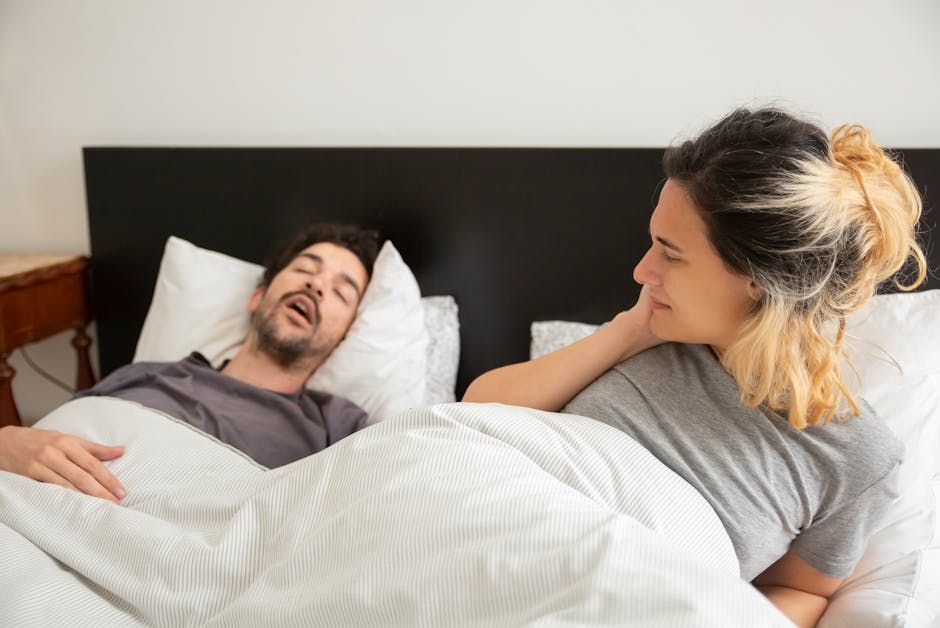
Snoring. That rumbling, rattling sound that can disrupt a peaceful night's sleep, not just for your partner, but potentially for you too. While occasional snoring might be harmless, chronic snoring can be a sign of underlying health issues and significantly impact sleep quality. Fortunately, there are a variety of remedies that can help alleviate snoring and restore tranquility to your bedroom.
One of the most common causes of snoring is nasal congestion. When the nasal passages are blocked, airflow is restricted, leading to vibrations in the soft tissues of the throat. Simple solutions like nasal strips or saline nasal sprays can help open up the airways and reduce snoring. For those with allergies, identifying and managing allergens can also make a significant difference.
Another contributing factor to snoring is sleeping position. Sleeping on your back often causes the tongue to fall back into the throat, obstructing airflow. Try sleeping on your side. A simple trick is to sew a tennis ball into the back of your pajamas to discourage back sleeping. Specialized pillows designed to promote side sleeping are also available.
Lifestyle changes can also play a crucial role in reducing snoring. Excess weight can contribute to snoring by increasing tissue around the neck, which narrows the airways. Losing even a small amount of weight can sometimes make a noticeable difference. Regular exercise can also improve muscle tone and overall health, which can positively impact snoring.
Alcohol and sedatives relax the throat muscles, making them more likely to vibrate and cause snoring. Avoiding these substances, especially close to bedtime, can help reduce snoring. Similarly, smoking irritates the nasal passages and throat, contributing to inflammation and congestion, which can worsen snoring. Quitting smoking is beneficial for overall health and can also help alleviate snoring.
For more persistent snoring, oral appliances can be effective. These devices, custom-fitted by a dentist, help reposition the jaw and tongue to keep the airways open. While they can be expensive, they can provide significant relief for many snorers. Another option is continuous positive airway pressure (CPAP) therapy, which involves wearing a mask that delivers pressurized air to keep the airways open. This is often prescribed for individuals with sleep apnea, a more serious condition that often involves snoring.
Surgical procedures are also available for treating snoring, although they are typically considered a last resort. These procedures aim to remove or stiffen the tissues in the throat that vibrate and cause snoring. Examples include uvulopalatopharyngoplasty (UPPP), which removes excess tissue in the throat, and radiofrequency ablation, which uses heat to stiffen the soft palate.
Before trying any snoring remedy, it's important to consult with a doctor to rule out any underlying medical conditions. They can help determine the cause of your snoring and recommend the most appropriate treatment options. With the right approach, you can silence the night and enjoy restful, snore-free sleep.
Leave a Reply