
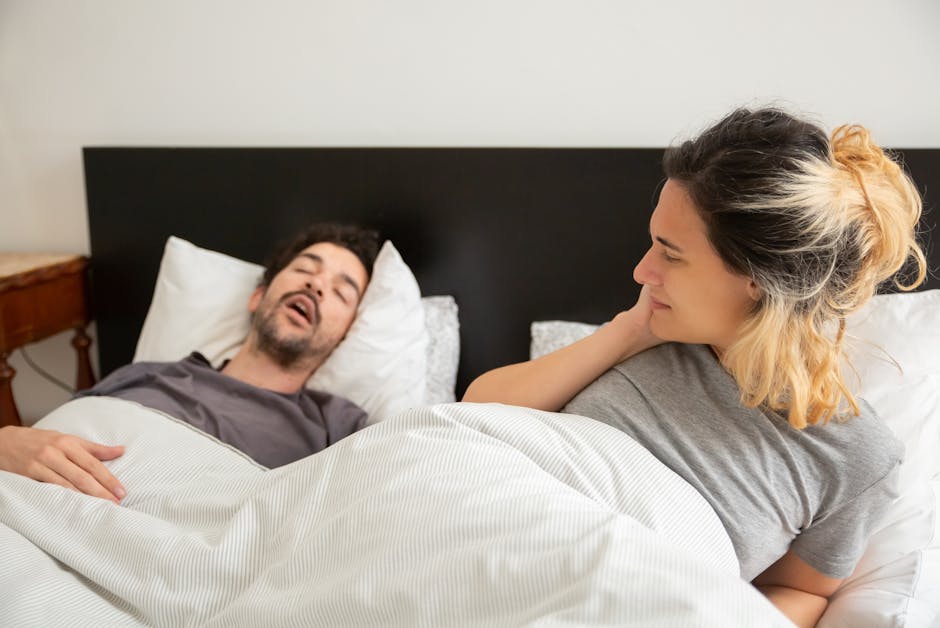
Snoring. That rumbling, rattling, sometimes even whistling sound that can disrupt a peaceful night's sleep. It's a common problem, affecting millions of people and their partners. While sometimes humorous, snoring can be a serious issue, impacting sleep quality and potentially indicating underlying health concerns. If you or someone you love is struggling with snoring, know that you're not alone and there are solutions available.
Snoring occurs when the airflow through your nose and throat is partially obstructed during sleep. This obstruction causes the surrounding tissues to vibrate, creating the characteristic snoring sound. Several factors can contribute to snoring, including nasal congestion, the anatomy of your mouth and throat, alcohol consumption, sleep deprivation, and sleeping position.
Identifying the underlying cause of snoring is the first step towards finding an effective remedy. If nasal congestion is the culprit, over-the-counter nasal strips or decongestants might offer relief. For those who snore due to their sleeping position, adjusting to sleeping on their side can often make a difference. Elevating the head of the bed can also help to open up the airways.
Lifestyle changes can play a significant role in reducing snoring. Losing weight, if needed, can improve airflow. Avoiding alcohol and sedatives before bed can also help, as these substances relax the throat muscles, increasing the likelihood of snoring. Regular exercise and a consistent sleep schedule can also contribute to better sleep overall, potentially lessening snoring.
For more persistent snoring, several specialized products are available. Anti-snoring mouthpieces, also known as mandibular advancement devices, help to keep the airway open by repositioning the jaw. Chin straps can help keep the mouth closed, encouraging nasal breathing. There are also various throat sprays and nasal dilators designed to improve airflow.
If snoring is severe and accompanied by other symptoms like excessive daytime sleepiness, morning headaches, or difficulty concentrating, it's essential to consult a doctor. These symptoms could indicate obstructive sleep apnea, a more serious condition that requires medical attention. A sleep study can help diagnose sleep apnea and determine the appropriate treatment.
In my own experience, my partner's snoring was significantly impacting my sleep. We tried various remedies, including nasal strips and changing his sleeping position, but nothing seemed to work consistently. Finally, he tried an anti-snoring mouthpiece, and it made a world of difference. We both sleep much better now, and our relationship has definitely benefited from the improved rest.
Finding the right snoring remedy can take time and experimentation. Don't be discouraged if the first solution you try doesn't work. With patience and persistence, you can find a way to quiet the night and enjoy restful sleep.
Leave a Reply