
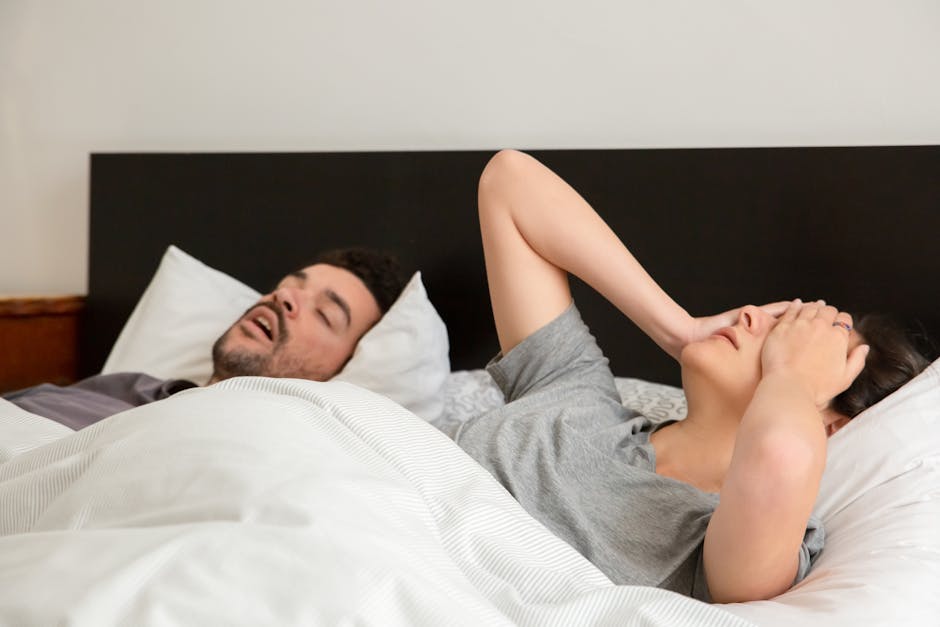
Snoring. That delightful nighttime symphony that can test the patience of even the soundest sleeper. Whether it's your own snores echoing in your ears or your partner's nightly chainsaw impression, snoring can disrupt sleep and lead to daytime fatigue and even relationship tension. But fear not, weary sleepers! There are solutions to silence the nightly rumble.
Snoring occurs when the airflow through your mouth and nose is obstructed during sleep. This can be caused by a variety of factors, including relaxed throat muscles, a deviated septum, nasal congestion, or the anatomy of your mouth and throat. Identifying the underlying cause can help you find the most effective remedy.
Lifestyle changes can sometimes make a big difference in reducing snoring. Losing weight, if you're overweight, can help to shrink throat tissue and improve airflow. Regular exercise can also tone muscles in the throat and improve sleep quality. Avoiding alcohol and sedatives before bed can prevent excessive muscle relaxation, which contributes to snoring.
Sleeping on your side can also help. When you sleep on your back, gravity pulls the tongue and soft tissues in the throat backward, obstructing the airway. Try sewing a tennis ball onto the back of your pajamas to discourage back sleeping. Elevating your head with an extra pillow can also improve airflow.
Over-the-counter nasal strips and dilators can help to open up the nasal passages, making it easier to breathe. These can be particularly helpful if your snoring is caused by nasal congestion due to allergies or a cold. Nasal irrigation with a saline solution can also help to clear nasal passages.
For more persistent snoring, there are several devices available. Mandibular advancement devices (MADs) are custom-fitted oral appliances that reposition the lower jaw and tongue forward, opening up the airway. Continuous positive airway pressure (CPAP) machines deliver a constant stream of air through a mask, keeping the airway open. These are typically prescribed for more serious cases, such as sleep apnea.
If lifestyle changes and over-the-counter remedies don't provide relief, it's important to consult a doctor or sleep specialist. They can help to identify the underlying cause of your snoring and recommend the most appropriate treatment. In some cases, surgery may be necessary to correct structural issues in the nose or throat.
Don't let snoring steal your sleep and sanity. With a little detective work and the right approach, you can reclaim peaceful nights and wake up feeling refreshed and ready to face the day. And your partner will thank you for it!
Leave a Reply