
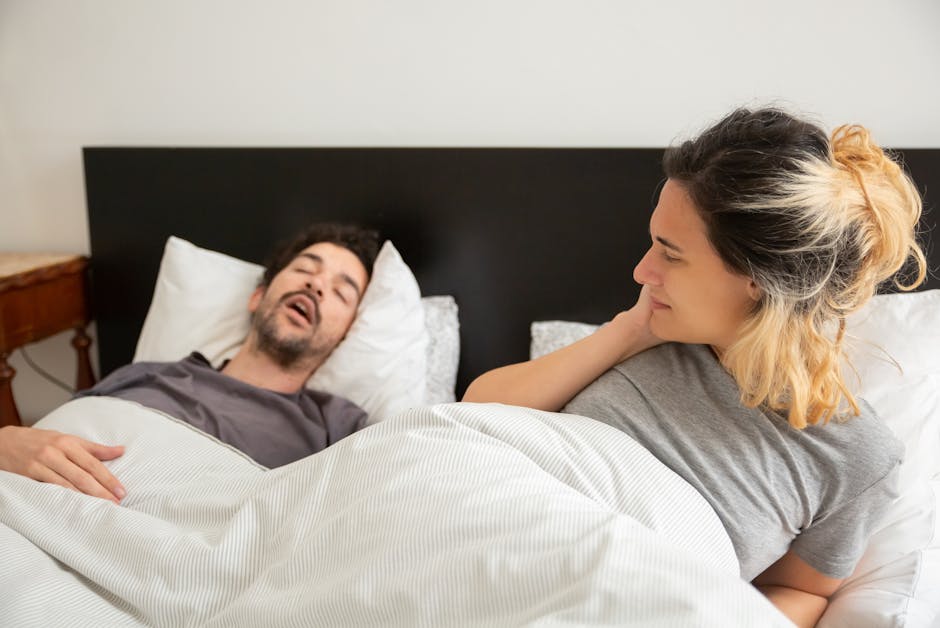
Snoring. That rumbling, sometimes whistling, often disruptive sound that can plague a good night's sleep. Whether you're the snorer or the one lying awake next to the symphony of snores, it's a problem that affects millions. Luckily, there are a number of remedies that can help quiet the night and bring back peaceful slumber.
One of the most common causes of snoring is nasal congestion. When your nasal passages are blocked, air is forced through a smaller opening, creating the vibrations that cause snoring. A simple saline nasal spray can help clear those passages and reduce snoring. Similarly, nasal strips, which adhere to the outside of your nose, can help widen the nostrils and improve airflow.
Another culprit behind snoring is sleeping position. Sleeping on your back often allows the tongue and soft tissues in the throat to relax and fall back, obstructing the airway. Try sleeping on your side. A body pillow can help maintain this position throughout the night. Elevating your head with an extra pillow can also help keep the airway open.
Lifestyle changes can also make a big difference. Losing weight, if you're overweight or obese, can significantly reduce snoring. Excess weight around the neck can put pressure on the airway. Regular exercise can contribute to weight loss and improve overall muscle tone, including the muscles in your throat.
Alcohol and certain medications, like sedatives and muscle relaxants, can relax the throat muscles, contributing to snoring. Avoiding alcohol and talking to your doctor about alternative medications, if possible, can help alleviate the problem.
Smoking irritates the nasal passages and throat, leading to inflammation and increased mucus production. This can worsen snoring. Quitting smoking is beneficial for overall health and can also improve sleep quality.
For more persistent snoring, there are also specialized devices available. Mandibular advancement devices (MADs) are custom-fit mouthpieces that reposition the jaw and tongue to keep the airway open. Continuous positive airway pressure (CPAP) machines deliver a constant stream of air through a mask, preventing the airway from collapsing. These options are typically recommended for more serious cases, such as obstructive sleep apnea, and require consultation with a doctor.
Snoring can be more than just an annoyance. It can be a sign of a more serious underlying condition. If your snoring is severe, persistent, or accompanied by other symptoms like excessive daytime sleepiness or gasping for air during sleep, it's important to consult a healthcare professional. They can help determine the cause of your snoring and recommend the most appropriate treatment options.
Leave a Reply